


Hydroponic gardening helps people grow food even when space is limited, soil is poor, or traditional gardening feels physically demanding. By removing these obstacles, hydroponics makes growing food simpler and more efficient.
Below is a closer look at why hydroponics works so well in real life, especially for beginners.
Is Hydroponic Gardening Better Than Soil Gardening?
Hydroponic gardening isn’t about replacing traditional gardening entirely—it’s about solving the limitations that stop many people from being able to grow their own food.
For growers with limited space, poor soil, water restrictions, or busy schedules, hydroponics can be their solution. While soil gardening can be simpler upfront, hydroponics offers more control, efficiency, and scalability once the basics are understood.
For many beginners, the real question isn’t “Is hydroponics better?”
It’s “Is hydroponics better for my situation?”

1. Garden Anywhere — Even Without Land
One of the most powerful advantages of hydroponic gardening is that you’re no longer limited by geography.
Soil gardening requires:
- Outdoor space
- Sun exposure
- Decent soil
- Seasonal weather
Hydroponics removes nearly all of those constraints.
Because plants grow in water instead of soil, hydroponic systems can be placed almost anywhere:
- Apartments and condos
- Townhomes with no yard
- Basements, spare rooms, closets
- Garages or sheds
- Rooftops and balconies
This flexibility is why hydroponics has taken off in dense cities around the world. It allows people in urban environments to grow food with the same freshness and quality as someone living on acres of farmland.
For beginners, this means you don’t need to move or remodel your life to start growing a garden.
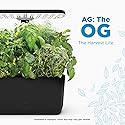
Related 🔗: The Best Portable Hydroponic Systems
 | My Top Pick | 21,100+ Reviews |
2. Grow in Areas with Poor or Unusable Soil
Even outside of cities, many people struggle with:
- Rocky ground
- Heavy clay
- Sandy soil
- Contaminated or depleted land
Hydroponics completely solves the soil problem.
Plants receive nutrients directly through the water. As long as you can control water, nutrients, light, and temperature, plants can thrive.
This makes hydroponic gardening especially valuable in:
- Arid or drought-prone regions
- Cold climates with short growing seasons
- Areas where gardening has historically been difficult
With a simple greenhouse or indoor setup, growers can create stable conditions year-round, regardless of what’s happening outside.
3. Less Day-to-Day Maintenance Than Soil Gardens
While hydroponics isn’t “set it and forget it,” it is more predictable and less labor-intensive than traditional gardening.
You don’t have to deal with:
- Weeds competing for nutrients
- Soil compaction
- Tilling and amending soil
- Mud, mess, and cleanup
Instead, maintenance usually involves:
- Checking water levels
- Monitoring pH and nutrient solution
- Occasional cleaning between grow cycles
For many beginners, this structured maintenance is easier than diagnosing soil problems they can’t see or control. Hydroponics replaces guesswork with repeatable routines.
Related 🔗: How Much Time Does Hydroponic Gardening Really Take Each Week?
4. Easier, More Comfortable Harvesting
Hydroponic systems are often built off the ground, which makes harvesting far easier on your body.
Unlike traditional gardens, you’re not:
- Bent over rows
- Kneeling in dirt
- Reaching through tangled plants
Many hydroponic systems—such as DWC buckets, NFT channels, or vertical towers—are designed at waist or chest height. This makes harvesting quicker, cleaner, and more accessible for people with back or knee issues.
It also encourages more frequent harvesting, which often leads to better plant performance.
Related 🔗: How To Harvest Basil To Increase Yields
5. Dramatically Lower Water Usage
Water efficiency is one of the most overlooked advantages of hydroponic gardening.
In traditional gardens:
- Water soaks into the soil unevenly
- Large amounts of water evaporate
- Runoff carries water away from roots
In hydroponics:
- Water is often recirculated
- Plants receive exactly what they need
- Little to no water is wasted
Many hydroponic systems use up to 80–90% less water than soil gardens. This makes hydroponics ideal for regions facing water restrictions—or for anyone wanting a more sustainable way to grow food.
6. Reduced Need for Pesticides and Chemicals
Indoor and enclosed hydroponic gardens are naturally protected from many pests that often wreak havoc on outdoor gardens.
With hydroponic gardening:
- Pesticides are often unnecessary
- Problems are easier to spot early
- Treatments can be targeted and minimal
When pests do appear, growers can use:
- Physical barriers
- Beneficial insects
- Organic or natural solutions
This results in cleaner produce and greater peace of mind—especially for families growing their own food. You know exactly what you’re putting into your body.
Related 🔗: The 5 Most Common Indoor Hydroponic Pests
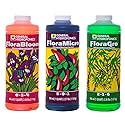
7. Total Control Over Plant Nutrition
In hydroponics, plants consume only what you provide—nothing more, nothing less.
This gives growers:
- Precise control over nutrients
- Easier adjustments for different plants
- Faster correction when deficiencies appear
Different plants have different nutritional needs. Hydroponics allows you to tailor feeding for lettuce, herbs, tomatoes, or peppers without relying on unpredictable soil conditions.
This level of control is one of the main reasons hydroponic plants often look healthier and more consistent across grow cycles.
 | My Top Pick | 7,500+ Reviews |
8. Faster Growth Compared to Soil Gardening
Hydroponic plants generally grow faster because they don’t have to “hunt” for nutrients.
In soil:
- Roots expand aggressively, searching for food
- Energy used for root expansion is diverted away from growth
In hydroponics:
- Nutrients are readily available
- Roots stay compact and efficient
- More energy thne goes into leaves, flowers, and fruit
Growth depends on lighting, nutrients, and environment; most growers notice fast growth once their system is dialed.
9. Higher Yields in Less Space
Faster growth and optimized nutrition often lead to higher yields per square foot.
Hydroponics allows:
- Closer plant spacing
- Vertical growing setups
- Multiple harvests per year
This efficiency is ideal for:
- Indoor growers
- Apartment dwellers
- Anyone maximizing limited space
You’re not just growing plants—you’re getting more production from the same footprint.
Hydroponics vs Soil Gardening: A Quick Comparison
| Feature | Hydroponic Gardening | Soil Gardening |
|---|---|---|
| Space required | Very low | Moderate to high |
| Water usage | Extremely efficient | High water loss |
| Weeds | None | Constant management |
| Nutrient control | Precise and adjustable | More Inconsistent |
| Pest exposure | Low (especially indoors) | High |
| Seasonal limits | Year-round | Seasonal |
| Learning curve | Moderate | Low to moderate |
| Long-term efficiency | High | Can vary |
Bottom line:
Soil gardening relies heavily on the environment. Hydroponics relies on systems and control.
Are There Any Downsides to Hydroponic Gardening?
Hydroponic gardening may not be ideal for everyone.
Common drawbacks include:
- Initial setup cost compared to planting directly in soil
- Learning curve with nutrients, pH, and system maintenance
- Dependence on electricity for pumps or lights (for most systems)
That said, most beginners avoid these issues by:
- Starting with a simple system (Kratky or DWC)
- Growing easy plants like lettuce or herbs
- Scaling up only after gaining confidence
Hydroponics rewards patience and consistency—not perfection.
Frequently Asked Questions About Hydroponic Gardening
Is hydroponic gardening worth it for beginners?
Yes—especially when starting small. Simple systems require minimal space and provide fast feedback, which helps beginners learn quickly.
Does hydroponics really use less water than soil gardening?
Yes. Most hydroponic systems recirculate water and use up to 80–90% less water than traditional soil gardens.
Are hydroponically grown vegetables healthy?
Absolutely. Hydroponic plants receive precise nutrients and often grow in cleaner environments, resulting in fresh, nutrient-dense produce.
Is hydroponic gardening expensive to start?
It can be—but it doesn’t have to be. Many beginners start with affordable DIY systems or single-plant setups under $100.
Can hydroponics replace a traditional garden?
For many people, yes. Especially those with space limitations or year-round growing goals. Others use hydroponics alongside soil gardening.
Final Takeaway
Hydroponic gardening isn’t about shortcuts—it’s about control, efficiency, and consistency.
Hydroponics offers real, practical advantages—especially when you start small and keep it simple.

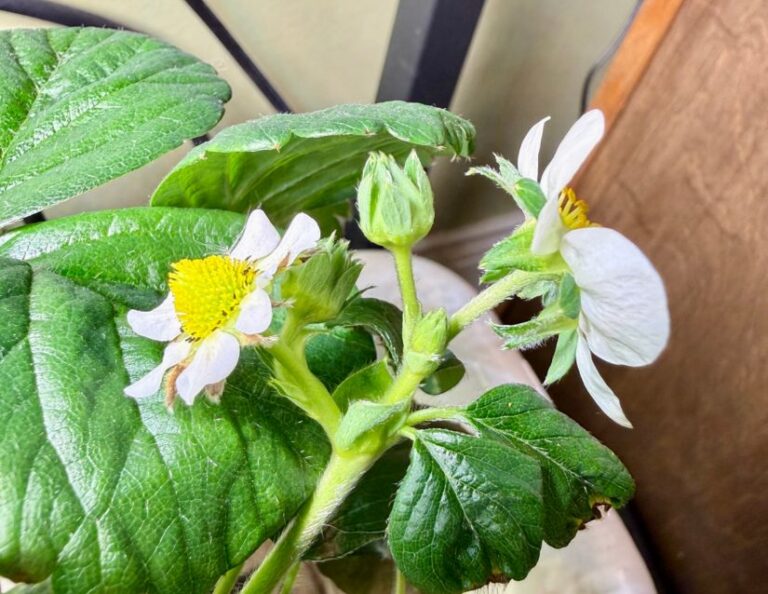


Hydroponic plants are more purifier than normal plants so the food produced by them are good in nature compared to others. It helps people to get their vegetables from own garden.
Thanks for stopping by John; isn’t hydroponics great!