
One of the most discouraging sights for new hydroponic growers is a wilted plant. You followed the steps, your system is running, and yet your plants look like they’ve given up. The good news? Wilting is usually a symptom of something that’s easily fixable.
Use this simple checklist to fix your droopy plants fast. Here are seven things to check when your hydroponic plants start looking limp, tired, or wilting.
1. Check Your Water Level
In systems like Deep Water Culture (DWC), the roots need to be in contact with the nutrient solution. In others, like NFT or drip systems, water flow needs to be consistent.
What to do: Open the lid and check if the water is high enough to touch the root tips, roots should dangle into the solution. For new seedlings, the water should touch the base of the net pot until roots establish. In DWC systems, keep water about 1 inch below the net pot once roots are growing.
For NFT and drop systems check the flow rate to make sure it’s high enough. Drip emitters can become clogged from organic matter in the reservoir.
2. Is Your Air Pump Working?
Your plants need oxygen at the roots. In DWC systems, if your air pump fails roots can suffocate, leading to quick wilting.
What to do: Listen for the hum of the pump and for bubbles at the air stone. If it’s silent or bubbling stops, replace the pump or air stone immediately.
3. Look at Root Health
Healthy roots are white and stringy. If they’re brown, slimy, or smell bad, you may have root rot. If you catch root rot early you can save your plant.
What to do: Carefully lift the plant and inspect. If rot is present:
Trim off affected roots
Rinse with diluted hydrogen peroxide
Replace or clean reservoir
Add beneficial bacteria like Hydrogaurd to fight future bacteria issues.
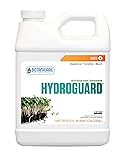 | My Top Pick | 3,300+ Reviews |
For more information check out How To Save Your Hydroponic Plant From Root Rot.
4. Test the pH
pH determines whether your plant can absorb nutrients. If it’s off, your plant can experience nutrient lockout, basically starving even though food is in the water.
What to do: Check the ph of your nutrient solution. If the ph is off correct it with pH up and down.
Aim for a pH between 5.5 and 6.5.
5. Check EC or PPM Levels
Nutrient concentration that’s too low = hungry plant. Too high = nutrient burn, which can also cause wilting.
What to do: Test your nutrient solution. If your PPM or EC is off:
Too low? Add nutrients per the label.
Too high? Dilute with fresh water.
6. Monitor Temperature & Humidity
If your environment is too hot or too dry, plants transpire water faster than they can absorb it—causing wilting.
What to do: Use a thermometer and hygrometer.
Ideal conditions depend on what type of plants your growing. Check out the grow guides for different plants here.
Add a fan for air circulation or a humidifier if needed.
7. Light Stress
Too much light or lights placed too close can cause heat stress and wilting. Too little and plants grow weak and leggy.
What to do:
Check distance from light to canopy (12-18 inches for most LEDs)
Ensure light schedule is appropriate (14-16 hrs for vegetative growth)
Look for signs of light burn: crispy leaves, yellowing, curling
Final Thoughts
Wilting hydroponic plants aren’t a sign of failure—they’re a signal. With just a few quick checks, you can usually identify the issue and get your plants back on track.
Start with the basics: water, air, and roots. Then fine-tune the details like pH, nutrients, and environmental conditions. A little troubleshooting goes a long way in hydroponics.
Happy growing!