In hydroponics, plants rely entirely on nutrient solution for their nutrition. There’s no soil safety net. That makes phosphorus (P) one of the most important macronutrients to understand and manage correctly.
Phosphorus plays a key role in root development, energy transfer, and flowering/fruit production. Too little can stall your plants. Too much can quietly cause nutrient lockout. In this guide, we’ll break it all down in plain language—what phosphorus does, when plants need it most, and how to spot problems before they snowball.
Quick Take: Why Phosphorus Matters
Phosphorus is one of the three primary macronutrients (N–P–K). While nitrogen drives leafy growth, phosphorus supports roots, energy transfer, and reproduction.
Most vegetative nutrients provide moderate phosphorus levels. Bloom nutrients increase phosphorus to support flowers and fruit—but more is not always better. Balance matters more than chasing higher numbers.
- Builds DNA and RNA (plant growth instructions)
- Drives energy movement inside the plant
- Encourages strong root systems
- Supports flowering and fruit development
- Critical during early growth and bloom stages
If nitrogen is the leafy growth driver, phosphorus is the foundation and power grid.
How Phosphorus Impacts Hydroponic Plant Growth
A Genetic Building Block
Every plant runs on genetic instructions, just like humans. Phosphorus is a core component of DNA and RNA, which control cell division, growth rate, and reproduction.
In hydroponics—where growth can be rapid—phosphorus ensures plants can keep up with that accelerated pace without structural or developmental issues.
Root Development
Phosphorus is essential for building strong, expansive root systems. Healthy roots mean:
- Better water uptake
- More efficient nutrient absorption
- Faster recovery from stress
In hydroponic systems, where roots are exposed and active, phosphorus directly influences how well your plants can “drink and eat.” Weak roots often trace back to poor phosphorus availability.
Energy Transfer (ATP)
Phosphorus is a key part of ATP (adenosine triphosphate)—the molecule plants use to store and move energy.
Think of phosphorus as the plant’s energy currency. Without it:
- Photosynthesis slows
- Metabolic processes stall
- Growth becomes sluggish
Even if all other nutrients are present, energy can’t move efficiently without adequate phosphorus.
Flowering and Fruit Formation
Phosphorus demand spikes during flowering and fruiting. Adequate levels help:
- Initiate flowering
- Support bud formation
- Improve fruit set and development
This is why bloom-stage nutrients typically contain higher phosphorus ratios than vegetative formulas.
As with all hydroponic nutrients, balance matters. Deficiencies and excesses can look similar at first glance, so always consider plant stage, pH, and overall nutrient balance before making adjustments.
Common Signs of Phosphorus Deficiency
- Slow or stunted growth
- Poor root development
- Dark green leaves with reddish or purple edges (especially on older growth)
- Delayed flowering or reduced fruit production
🌱 Pro Tip: Phosphorus deficiency often shows up when pH is out of range—even if phosphorus is technically present in the solution.
Related 🔗: How To Correct pH of Your Nutrient Solution
Common Signs of Too Much Phosphorus
- Burnt or scorched leaf tips
- Reduced uptake of calcium, magnesium, iron, or zinc
- Slowed root growth despite high nutrient strength
Excess phosphorus doesn’t usually kill plants outright—but it can cause cascading nutrient imbalances that are harder to diagnose.
Should You Supplement Phosphorus?
Most quality hydroponic base nutrients already contain adequate phosphorus for vegetative growth. Supplementation is usually only helpful when:
- Entering the flowering or fruiting stage
- Growing heavy feeders
- Using a proven bloom booster correctly
If your plants truly need additional phosphorus, a product like General Hydroponics KoolBloom can be effective when used sparingly and at the right stage.
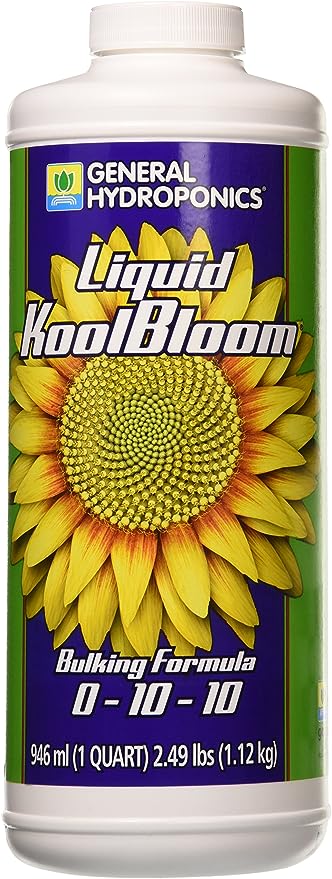 | My Top Pick | 1,900+ Reviews |
What to Do If Levels Are Off
- Low phosphorus: Verify pH first, then confirm nutrient strength before supplementing
- High phosphorus: Drain and replace with a fresh nutrient solution
Trying to “fix” a badly imbalanced reservoir often takes more time than simply starting clean.
Related Hydroponic Guides
Frequently Asked Questions About Phosphorus in Hydroponics
Do hydroponic plants need extra phosphorus?
In most cases, no. Quality hydroponic base nutrients already contain enough phosphorus for vegetative growth. Extra phosphorus is usually only helpful during flowering or fruiting—or if a true deficiency is confirmed.
Is phosphorus more important during flowering?
Yes. Plants rely more heavily on phosphorus during flower and fruit formation. This is why bloom-stage nutrient formulas often contain higher phosphorus ratios than vegetative nutrients.
Can too much phosphorus hurt hydroponic plants?
Absolutely. Excess phosphorus can interfere with the uptake of calcium, magnesium, iron, and zinc. This can cause nutrient lockout, leaf burn, and stalled root growth—even when nutrient levels seem high.
Does pH affect phosphorus uptake?
Yes. Even if phosphorus is present in your nutrient solution, plants may not absorb it if pH is out of range. Most hydroponic systems absorb phosphorus best when pH is kept roughly between 5.5 and 6.5.
What’s the fastest way to fix phosphorus problems?
Before adding supplements, always:
- Check pH
- Verify nutrient strength
- Consider plant growth stage
If levels are severely off, draining and replacing the nutrient solution is often faster and safer than trying to correct an unstable mix.
Final Thoughts
Phosphorus is a foundational macronutrient in hydroponics. It supports roots, powers energy transfer, and plays a major role in flowering and fruit production. Getting it right isn’t about chasing numbers—it’s about balance, timing, and simplicity.
If something feels off, don’t overcorrect. A stable nutrient solution with proper pH will outperform constant tweaking every time.
Healthy roots first. Energy second. Flowers follow.