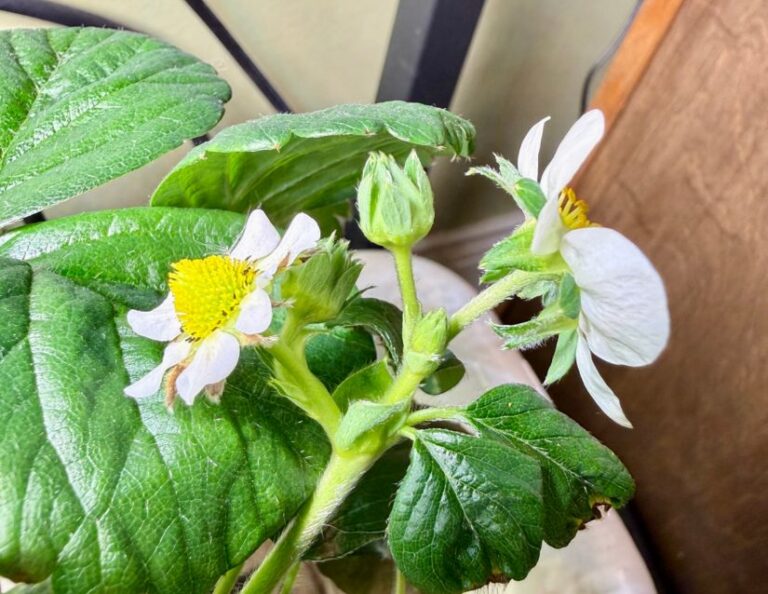
The first time you see it, you almost want to brush it off—literally. A light dusting on a leaf, like someone tapped a flour sifter over your greens. In a soil-free garden it feels unfair… but powdery mildew doesn’t need soil. It needs opportunity: still air, cozy temps, and a humid canopy. The upside? Once you know the playbook, you can shut it down quickly and keep it from coming back.
Quick Fix: What To Do Right Now
- Confirm it: white, dust-like patches (often on lower leaves/undersides).
- Prune & bag: remove infected leaves into a trash bag.
- Airflow + humidity: add a clip fan, open vents; aim for 40–55% relative humidity.
- Treat (pick one): potassium bicarbonate, or biofungicide.
- Sanitize: wipe tent walls, trays, lids, tools; take the trash out immediately.
🌱 Pro Tip: Flip a flashlight under the leaf. Powdery mildew often starts on the underside where it hides from light and airflow.
What Powdery Mildew Is (and Why Hydro Still Gets It)
Powdery mildew is a fungal disease spread by airborne spores. They float in through a cracked door, a vent, or maybe even was carried in on your hoodie sleeve. Hydroponic setups are clean, but warm, humid, low-airflow spaces let spores land, germinate, and spread.
What it Looks like: tiny white dots that expand into flour-dust patches
Where it thrives: Temperatures 65–80°F, relative humidity > 60%, crowded canopies, poor circulation
Why it matters: Powdery mildew causes less photosynthesis, which means -:slower growth, weaker flavor, smaller yields
Early Signs (and How to Tell It’s Not Just Dust)
Nutrient issues usually look uniform (overall yellowing, interveinal patterns). Powdery mildew is patchy and looks like a dusting of baking flour.
- White/gray powdery patches that spread day-to-day
- Leaves yellow, curl, or drop; plants look “tired”
- Wipe with a finger and it smears… then returns quickly
What Hydroponic Plants Are Most at Risk?
🥒 Cucumbers: the classic victim; even “resistant” types struggle in still, humid air.
🍅 Tomatoes: common in warm tents with weak circulation.
🍓 Strawberries: leaves and fruit can dust over, dropping sweetness and quality.
🫑 Peppers: lower leaves typically show spots first.
🌿 Herbs (basil, mint, parsley, cilantro): dense foliage + humidity = prime conditions.
🥬 Leafy greens (kale, chard, spinach): less frequent, but shows up in crowded NFT/towers.
How to Stop Powdery Mildew (Step-by-Step Guide)
- Prune smart: Clip any visibly infected leaves straight into a bag; seal and trash. Disinfect scissors between cuts.
- Move the air: Aim an oscillating fan through the canopy (not just over it). You want gentle leaf shimmy, not a windstorm.
- Dry the room: Ventilate or dehumidify to 40–55% RH. Lowering canopy humidity means fewer spores that spores can germinate.
- Treat the affected plant with one of the following :
-
- Potassium bicarbonate : Mix as a foliar spray. It won’t heal already damaged tissue, but it collapses spores on contact and makes the leaf surface too alkaline for mildew to keep growing.
- Biofungicide spray: For larger or persistent cases, use a microbial biofungicide to suppress spores and protect new growth. Works well as a follow-up or rotation after an initial knockdown and also treats pest infestations.
-
- Light check: Ensure adequate light intensity. Mildew dislikes strong light on leaf surfaces. (Some growers add UV)
- Housekeeping: Wipe tent walls, lids, trays, and nearby surfaces. Remove fallen leaves daily.
 | My Top Pick | 4,300+ Reviews |
Make It Routine: Preventing Powdery Mildew
Make sure your following these best practices to help prevent powdery mildew from showing up in your hydroponic garden.
Environmental Targets
- Humidity: 40–55% RH (add a dehumidifier or boost exhaust as canopy thickens)
- Airflow: Constant, gentle movement—every leaf should wiggle a bit
- Temperature: 65–75°F; avoid big day/night swings
Plant Management
- Don’t overcrowd: Space net pots; prune for airflow; avoid leaf-on-leaf contact
- Pick smart genetics: Choose resistant varieties (especially cucumbers, tomatoes)
- Keep plants strong: Balanced nutrients, stable pH; stressed plants get sick first
Cleanliness & Routine
- Between cycles: Sterilize reservoirs, lids, trays, pumps, tubing, and walls
- Weekly: Quick flashlight inspection—top and underside of leaves
- Tools: Disinfect shears, trellis clips; wash hands before working in tents
🌱 Pro Tip: Spring and fall humidity swings are prime mildew season. Pre-empt with extra airflow and a dehumidifier schedule.
Powdery Mildew FAQs
Is powdery mildew harmful to eat?
It’s not considered toxic, but it tanks flavor and quality. Discard infected leaves and fruit, don’t eat it.
Can I save a plant once it has it?
Yes—if you act early. Prune infected growth, improve airflow, lower humidity, and treat until new growth stays clean.
Will it spread to all my plants?
It can. Spores are airborne. Treat the environment and give nearby plants a preventive spray.
Does cleaning the system help?
Absolutely. Good sanitation between grows prevents lingering spores from rebooting the problem.
Can outdoor plants bring it indoors?
Yes. Spores hitchhike on clothes and tools. Wash hands and sanitize tools before you work in your tent.
Final Thoughts
Powdery mildew is a preventable inconvenience—not a disaster. Keep humidity in check, keep air moving, and keep your space clean. If it shows up, you’ve got a simple, repeatable plan to knock it out fast and get right back to growing.