


Cloning plants is one of the easiest ways to get predictable, repeatable results. Instead of rolling the dice with seeds, you’re creating an exact genetic copy of a plant you already know performs well.
The catch? Some cuttings root easily on their own… and others just sit there doing nothing.
That’s where rooting hormone comes in.
Rooting hormone speeds up root development, increases success rates, and helps protect fragile cuttings while they try to establish themselves.
Quick Answer: Do You Need Rooting Hormone?
Not always required — some plants root easily (like basil or mint)
It is highly recommended, though, especially for beginners. It increases the success rate and reduces the guesswork.
What Does Rooting Hormone Actually Do?
Rooting hormones typically contain plant growth regulators like auxins (IBA or NAA), which:
- Stimulate root cell development
- Speed up root formation
- Improve root structure and strength
- Reduce the chance of rot or infection
Think of it as giving your cutting a head start and extra protection while fragile.
The 4 Types of Rooting Hormone
1. Gel Rooting Hormone (Best Overall)
Gel rooting hormone is what I recommend as it’s the most beginner-friendly and reliable option.
 | My Top Pick | 3,800+ Reviews |
Why it works well:
- Thick consistency coats the stem evenly
- Stays in place (doesn’t wash off easily in hydro systems)
- Pre-mixed — no measuring or guesswork
Best for: Hydroponics, beginners, and consistent results
🌱 Pro Tip: Dip the cutting once—don’t double dip into the container. Pour a small amount out to avoid contamination.
2. Powder Rooting Hormone (Best Shelf Life)
Powder is the longest-lasting and most cost-effective option.
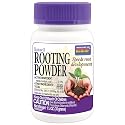
| My Top Pick | 14,800+ Reviews |
Pros:
- Very long shelf life
- No mixing required
- Easy to store and reuse
Cons:
- Doesn’t stick as well as gel
- Can fall off in water-based systems
Best for: Long shelf life makes this great when doing occasional cloning
3. Liquid Rooting Hormone (Most Flexible)
Liquid rooting hormone comes in two forms: pre-mixed or concentrate.

| My Top Pick | 1,650+ Reviews |
Why you’d use it:
- Adjustable strength (great for different plant types)
- Can be used as a soak or dip
Downside:
- Requires measuring (easy to mess up)
- Less convenient than gel
Best for: Advanced growers cloning multiple plant types and wanting to adjust ratios.
4. Natural Rooting Options (Like Honey)
If you don’t have commercial hormone on hand, you can use natural alternatives—but with realistic expectations.
Honey is the most common option:
- Has natural antibacterial and antifungal properties
- Coats the cutting to help prevent infection
Important reality check:
- Honey is not a true rooting hormone (it doesn’t contain auxins)
- It helps protect the cutting—but doesn’t actively stimulate root growth
Best for: Emergency use or experimentation
Which Rooting Hormone Should You Use?
If you want a simple recommendation:
- Go with gel → best balance of ease + success
- Use powder → if you want something cheap and long-lasting
- Use liquid → if you need precision and flexibility
- Use honey → if it’s all you’ve got (just expect slower results)
Common Mistakes to Avoid
- Using too much hormone (more is NOT better)
- Dipping directly into the original container (contamination risk)
- Letting the cutting sit too long before planting
- Not keeping the humidity high during rooting
FAQ
Do all plants need rooting hormone?
No. Fast-growing herbs like basil and mint often root without it, but it doesn’t hurt to use it for all cuttings.
Can you use too much rooting hormone?
Yes. Overuse can actually slow root development or damage the cutting.
Is gel better than powder?
For hydroponics, yes—gel sticks better and doesn’t wash off as easily.
Does honey really work as rooting hormone?
Not technically. It helps prevent infection, but doesn’t stimulate root growth like commercial hormones.
Final Thoughts
Rooting hormone isn’t always required—but it’s one of those tools that makes cloning easier, faster, and more consistent.
If you’re running a hydroponic setup or trying to scale your plants, it’s worth using. The small upfront effort saves you from wasting time on cuttings that never root.


