


If you’re new to hydroponics, this is a very common question.
Oxygen is just as important to plant roots as it is to leaves. In soil, oxygen naturally reaches roots through air pockets. In hydroponics, roots sit in water—so oxygen has to be managed intentionally.
The good news? Not every hydroponic system needs an air pump. Some systems rely on design instead of bubbles. That doesn’t mean that a pump wouldn’t be beneficial, though. Let’s break it down.
Why Oxygen Matters So Much in Hydroponics
Plant roots need oxygen to “breathe.” This process—called root respiration—is what allows plants to turn sugars into usable energy. Without enough oxygen, roots can literally suffocate.
Low oxygen levels can lead to:
- Slow or stalled growth
- Yellowing leaves
- Slimy, brown, or foul-smelling roots
- Higher risk of root rot
Because water holds less oxygen than air, hydroponic systems are less forgiving than soil when oxygen is limited.
Important: You cannot over-oxygenate roots using a normal aquarium air pump. Extra oxygen will not harm your plants—it only improves root health.
 | My Top Pick | 5,700+ Reviews |
Hydroponic Systems That Require an Air Pump
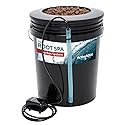
Deep Water Culture (DWC)

DWC is the only common hydroponic system where an air pump is mandatory.
In a DWC system:
- Plant roots are completely submerged in nutrient solution
- There is no natural exposure to air
- Without oxygenation, roots will drown
An air pump pushes air through tubing into an air stone (diffuser) at the bottom of the reservoir. The air stone breaks air into tiny bubbles, increasing the amount of oxygen dissolved in the water.
No air pump in DWC = poor growth or complete failure.
Related 🔗: How To Build Your Own 5 Gallon Hydroponic Bucket
 | My Top Pick | 1,400+ Reviews |
Hydroponic Systems That Do Not Require an Air Pump
Most other hydroponic systems are designed to expose roots to air naturally.
NFT (Nutrient Film Technique)
- Nutrient solution flows in a shallow stream
- Roots sit partly in water and partly in air
- The open channel provides continuous oxygen

Ebb and Flow (Flood and Drain)
- Grow beds periodically flood with nutrient solution
- Water drains back into the reservoir
- Draining exposes roots to fresh air multiple times per day

Vertical Hydroponic Systems
- Plants are suspended in the air
- Nutrient solution flows downward over exposed roots
- Roots receive oxygen between feed cycles

Aeroponics
- Roots are fully suspended in air
- Nutrient solution is misted or sprayed
- Oxygen availability is extremely high by design
Kratky Method (Passive Hydroponics)
- No pumps and no electricity
- Roots start in the nutrient solution
- As the plant drinks, the water level drops
- A natural air gap forms, supplying oxygen
This self-adjusting air gap is why Kratky systems work so well for beginners.
Quick Reference: Do You Need an Air Pump?
| Hydroponic System | Air Pump Required? |
|---|---|
| Deep Water Culture (DWC) | ✅ Yes |
| NFT | ❌ No |
| Ebb and Flow | ❌ No |
| Vertical Systems | ❌ No |
| Aeroponics | ❌ No |
| Kratky | ❌ No |
Should You Add an Air Pump Anyway?
Even when not required, adding an air pump can still be beneficial.
Extra oxygen can:
- Improve root health
- Reduce stagnation
- Help prevent root rot
- Keep nutrients better mixed
For many growers, a small air pump is inexpensive for the upside—especially in warm environments where water holds less oxygen.
I typically have air stone connected to an air pump in all of my hydroponics systems.
How to Choose an Air Pump (Beginner-Friendly)
You don’t need anything fancy.
When choosing an air pump, look for:
- Continuous operation (not intermittent)
- Enough output for your reservoir size
- Quiet operation if growing indoors
- At least one air stone per container
For small DWC systems (5–10 gallons), a basic aquarium pump is more than sufficient.
Common Beginner Mistakes With Air Pumps
- Skipping an air pump in DWC
- Using tiny air stones in large reservoirs
- Letting air tubing kink or clog
- Turning pumps off “to save electricity”
- Assuming bubbles alone fix root rot
Air pumps help—but clean water, proper temperatures, and good maintenance still matter.
Frequently Asked Questions About Hydroponic Air Pumps
Do all hydroponic systems need an air pump?
No. Only Deep Water Culture (DWC) systems require an air pump.
Most other hydroponic systems—such as NFT, ebb and flow, aeroponics, vertical systems, and Kratky—are designed to expose roots to oxygen naturally through air gaps, draining cycles, or misting.
What happens if I don’t use an air pump in DWC?
Without an air pump, DWC roots will drown.
Because the roots are fully submerged, they rely entirely on dissolved oxygen in the water. Without constant oxygenation, plants will show slow growth, yellowing leaves, root rot, or may die altogether.
Can you over-oxygenate plant roots in hydroponics?
No. Using a standard aquarium air pump, you cannot over-oxygenate plant roots.
Extra oxygen improves root health, nutrient uptake, and overall plant vigor. There is no downside to increased oxygen in typical home hydroponic systems.
Should I run my air pump all the time?
Yes. Air pumps should run 24/7, especially in DWC systems.
Turning the pump off—even for a few hours—can significantly reduce oxygen levels and stress the roots. Air pumps use very little electricity, so continuous operation is recommended.
How big of an air pump do I need for hydroponics?
For most small home systems, a basic aquarium air pump is sufficient.
General guideline:
- 1 air stone per reservoir or bucket
- Pump rated for at least the size of your water volume
- Slightly oversized pumps are better than undersized ones
You don’t need commercial or high-pressure equipment for hobby systems.
Do Kratky systems benefit from an air pump?
Kratky systems do not require an air pump. Adding a air pump would make it a DWC system.
In warm environments or with larger plants, extra oxygen can improve root health and reduce stagnation. However, many Kratky growers run successful systems with no pumps at all.
Are air stones required, or can I just use tubing?
Air stones are strongly recommended.
They break air into tiny bubbles, increasing the surface area and improving oxygen absorption. Plain tubing produces large bubbles, which are far less effective at oxygenating water.

| My Top Pick | 2,100+ Reviews |
Why do my roots still look unhealthy even with an air pump?
An air pump helps, but it’s not a cure-all.
Common causes of unhealthy roots include:
- High water temperatures
- Dirty or stagnant reservoirs
- Poor nutrient balance
- Light leaks into the reservoir
Oxygen is essential—but clean water and proper system maintenance matter just as much.
Is adding an air pump worth it if my system doesn’t require one?
For many growers, yes.
Even when optional, air pumps can:
- Improve root growth
- Reduce the risk of root rot
- Keep nutrient solution mixed
- Add stability to the system
Think of it as low-cost addition for root health.
Final Verdict: Do You Need an Air Pump?
- Absolutely required: Deep Water Culture (DWC)
- Not required: NFT, Ebb & Flow, Vertical, Aeroponics, Kratky
- Almost always helpful: Yes
If you’re running DWC, an air pump is non-negotiable. For other systems, it’s optional—but rarely a bad idea.
Healthy roots grow better plants. Oxygen makes that possible.


I have been finding your website helpful. I am starting a tower hydroponic system for the first time and had many questions. I know I will be reading your tips for some time to come.
I am planning an indoor system using a 17 gal reservoir and 6” uPVC And will make my cup holes with heat gun and bottle “mold”. It will be about
about 7’ high and hung from ceiling. Buying an 800 GPH pump, running 15 min on, 15 minutes off. Planning to grow lettuce, spinach, and herbs primarily. Perhaps a flower or 2.
Sounds like I need to drain, clear and refill such a system 7-10 days or so.
This will be in a lower lever den area that stays cool year around. Too cool in winter so I will need to heat on enclosed area. Your suggests on that will be needed. And Can I except much odor from this type of system.
I am 66 and live with wife in Little Rock, Ar
Thanks for stopping by Ted! Thanks for the feedback, I’m glad you’ve found the site helpful. I’d be happy to help you get started in any way I can. Lettuce is a good weather crop so you shouldn’t have to heat things too much. It should be good if kept about 55 degrees. Growing lettuce won’t create any odor, some herbs and flowers will have smells but they will be fresh herb/flower smells so that should be pleasant.
If you have Facebook, be sure to join the Hobby Hydroponics Group community! We share info, experiences, and pictures of our hobby hydroponic gardens.
Thank you Sir for your information. I really had a little confusion anout water pump and air pump.