


Ever wished you could make more of that one perfect plant? Good news—you can. With hydroponic cloning, you can create new plants that are genetically identical to a healthy “mother plant,” meaning you know exactly what you’re getting.
It’s faster than starting from seed, doesn’t require soil, and with the right setup, it’s nearly foolproof. Let’s walk through how to clone a plant using a simple hydroponic setup.
What Is Plant Cloning?
Cloning is just a fancy word for taking a cutting (a shoot or branch tip) from a healthy plant and encouraging it to grow roots, essentially turning it into a brand-new plant.
The best part? Since clones carry the same genetic code as the mother plant, you know what you’re growing—same growth habits, same flavor, same flower color.
This method of propagation is perfect for:
- Beginners looking for a fast and reliable way to multiply plants
- Gardeners who want to replicate high-performing plants
- Anyone who struggles starting seeds
- Growers prepping plants for resale or trade
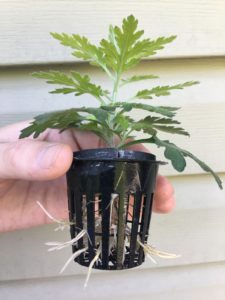
Why Use Hydroponics to Clone Plants?
Hydroponic cloning has some serious perks:
- You can see the roots develop (unlike when cuttings are in soil or plugs). You can
- Water and oxygen go straight to the cutting, which speeds up rooting
- It’s low-mess and easy to repeat
- Works great with herbs, flowers, and vegetables
Whether you’re growing for yourself or planning to sell, hydroponic cloning makes multiplying your plants cheap and easy.
Supplies You’ll Need
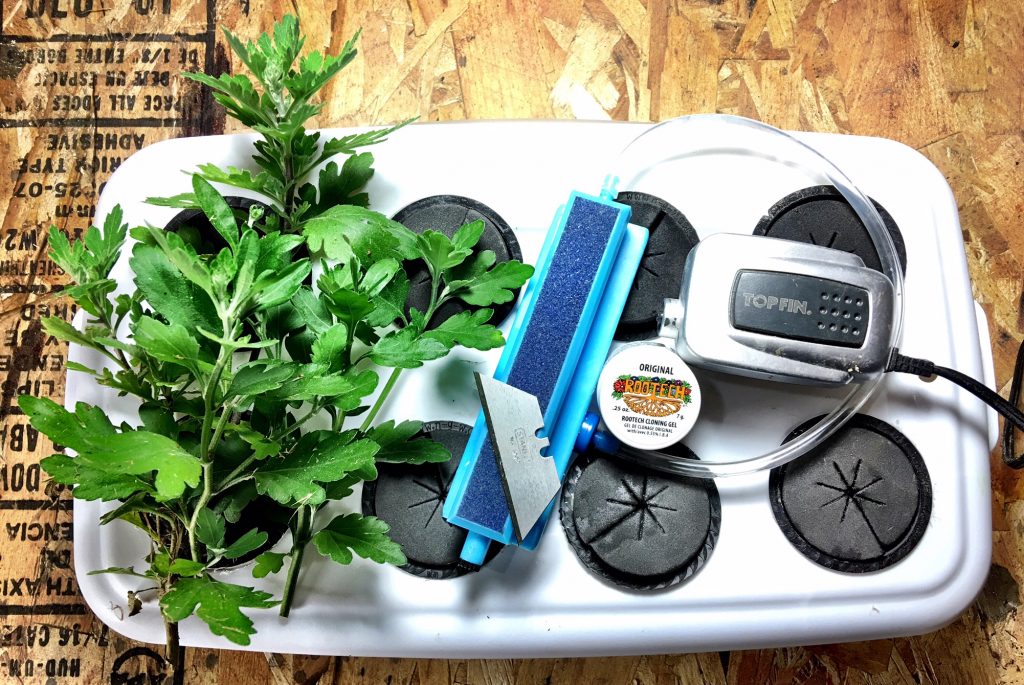
To clone a plant using hydroponics you’ll first need to gather a few supplies:
Supplies Needed To Clone A Plant Using Hydroponics |
||
|---|---|---|
| A simple hydroponic clone box (DIY or store-bought) |  |
View Product |
| Rooting gel to encourage faster root growth |  |
View Product |
| A clean razor or scissors |  |
View Product |
| A healthy mother plant to take clones from. | ||
How To Clone a Plant Using Hydroponics (Step-by-Step)

Choose healthy shoots from your mother plant—around 5–6 inches long.
Trim the leaves from the bottom 4–5 inches of the cutting.

Make a diagonal cut across the stem to expose more rooting surface.
Dip the cutting into rooting gel. It can speed up root development and increase success rates
🌱Pro Tip: Don’t dip directly into your rooting gel container. Use a spoon to scoop out a small amount at a time to avoid contamination.

Place the cutting into your clone box. You don’t need anything fancy, I use a homemade hydroponic cloner.
Keep the stems suspended in the oxygen-rich water. Then you just wait and watch.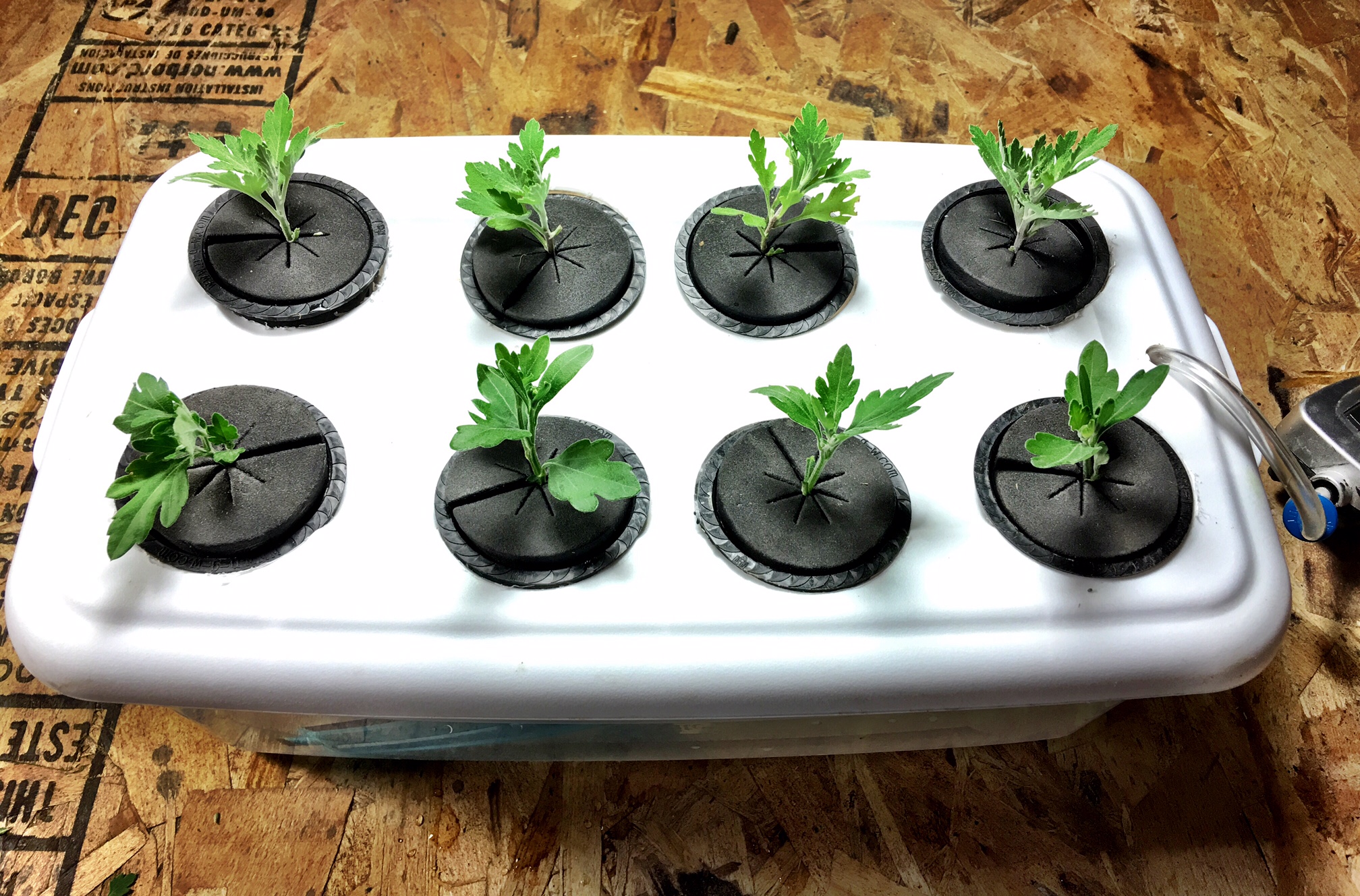
| | My Top Pick | 375+ Reviews |
How Long Does It Take to Clone a Plant?
Clones usually show their first root nubs around 7–14 days, depending on the plant, temperature, and setup.
Once you see roots forming, things move fast. You’ll likely have a strong root system within 2–3 weeks, at which point the new plant is ready to be transplanted into your hydroponic grow medium or even soil.
|
|
|


Hydroponic Cloning Difficulty by Plant Type
| Plant Type | Easy to Clone ✅ | Not Easy to Clone ⚠️ |
|---|---|---|
| Herbs | Basil, Mint, Oregano, Thyme, Sage, Rosemary, Lemon Balm | Parsley, Cilantro, Dill (bolt quickly or don’t root easily) |
| Leafy Greens | Lettuce (some varieties) but wouldn’t recommend | Lettuce is better grown from seed |
| Fruiting Veggies | Tomatoes, Peppers , Cucumbers | Zucchini, Squash, Eggplant (less consistent or root poorly) |
| Flowers | Chrysanthemums (shown in photos), Geraniums, Marigolds | Petunias (difficult in hydro) |
| Fruits | Strawberries (from runners), Grapes (hardwood cuttings) | Melons, Blueberries, Citrus (require grafting or special care) |
🌱Cloning Tips:
- Woody-stemmed plants like rosemary and tomatoes root easily with rooting gel and good oxygenation.
- Soft-stemmed greens can clone, but are usually faster from seed.
- Most fruits are better propagated by runners or grafting, not cloning cuttings.
Final Thoughts
Hydroponic cloning is a quick, clean, and low-cost way to expand your hydroponic garden. It’s great for replicating plants you already love and cuts down the waiting time compared to seeds.
Once you’ve done it, it may become your go to way of starting and adding plants to your garden.
Ready to try it? Build a simple clone box and start multiplying your favorite plants today.


Yes, you say rooting gel is optional, but what can be used (added) to the water when cloning? Rooting gel will just wash off in the water, no? Thanks for your help, I am desperately searching for an additive which works to start roots growing.
I wouldn’t recommend adding the rooting gel to the water as it will be dilute and ineffective. The cloning gel sticks well to the stem of the plant.
I’ve used all sorts of store bought cloning/rooting products but the best and cheapest is using willow water. Just google willow water and you’ll find all sorts of info.
Thanks for sharing Ash! I’ve heard of people using willow water but haven’t tried it myself. I’m definitely going to look more into it!
Hi. I’m looking to make some clones of some plants.
I have a hydroponics growing system. A small one. Can I use this to clone?
https://www.amazon.com/gp/aw/d/B0B5R6Z3Q9/ref=sspa_mw_detail_6?ie=UTF8&psc=1&sp_csd=d2lkZ2V0TmFtZT1zcF9waG9uZV9kZXRhaWwp13NParams
I would really appreciate advice.
Hey James! While it’s not meant for cloning you could probably find a way to make it work. Have you thought about sing oxygenated water in a small tote or rapid rooter plugs?