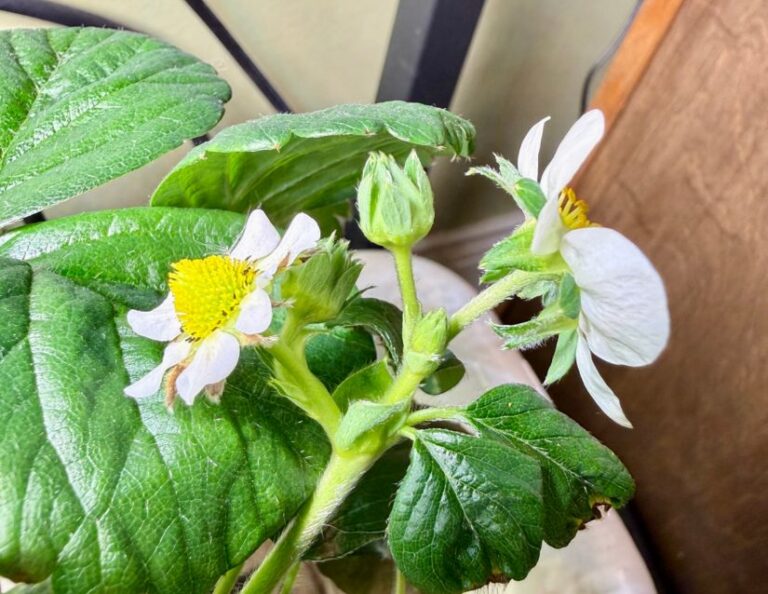
You’ve got the lights on, the bubbles going, and your plants are… doing something. But are they thriving or just surviving? The good news: healthy hydro plants are easy to “read” once you know the signs. Here’s a simple, beginner-friendly guide to spot green flags, catch red flags early, and keep your system on track.
Quick Check: 2-Minute Hydro Health Scan
- Look at leaves: even color, no yellow/brown spots, no wilting.
- Peek at roots: white to cream, firm, no slime or smell.
- Scan the system: clear water, no algae blooms, steady bubbles/flow.
- Glance at gauges: pH and EC/ppm are within target for your crop/stage.
- Feel the vibe: upright posture, steady new growth week-to-week.
🌱 Pro Tip: Take a photo from the same angle once a week. It’s the easiest way to notice growth and catch small problems early.
✅ Green Flags: Signs You’re Doing It Right
- Leaf color looks “right” for the variety—vibrant, not pale or blotchy.
- Upright posture with firm stems; plants aren’t drooping by mid-day.
- Steady new growth—new leaves every few days on fast crops like lettuce and basil.
- Happy roots—white to cream, crisp, lightly “earthy” smell (not swampy).
- Clean hardware—minimal film on media or walls; no funky odors.
🚩 Red Flags: Fix These Fast
Yellowing Leaves
Common causes: pH out of range, under-feeding, or roots stressed by heat/low oxygen.
Quick fix: Check pH first, then EC/ppm. Refresh the reservoir if it’s older than your normal change interval, improve aeration, and ensure water temps stay cool (65–72°F / 18–22°C).
Related 🔗: Why Are My Hydroponic Plants Turning Yellow? And how to fix it.
Brown, Crispy, or Burned Edges
Common causes: nutrient burn, light too close/intense, or heat stress.
Quick fix: Dilute solution (top off with plain water or mix lighter), raise lights, improve airflow.
Slow or Stalled Growth
Common causes: low light, cold temps, weak nutrition, or root issues.
Quick fix: Confirm your pH is appropriate, make sure it’s not too cold, do a nutrient change, inspect roots for slime.
Slimy, Brown Roots or Bad Smell
Common causes: low dissolved oxygen, warm water, dirty system… hopefully not root rot.
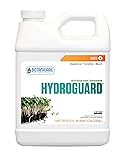
Quick fix: Do a full drain and clean, add/upgrade air stones or flow, and keep water temps in range. Add helpful root bacteria like Hydrogaurd.
 | My Top Pick | 3,300+ Reviews |
Spots, Speckles, or Deformed New Growth
Common causes: specific deficiencies or pests.
Quick fix: Re-set with fresh, balanced nutrients and stable pH; inspect undersides of leaves; quarantine any suspect plants.
Good news: Most issues turn around within a week once the root cause is fixed.
“Is This Normal?” (Usually Yes)
- A little algae tint on clay pebbles or at the waterline? Normal. Shade the area and wipe during changes.
- Old bottom leaves yellowing on mature plants? Often normal, especially as energy shifts to new growth or fruit.
Pro Tip: When in doubt, a fresh reservoir fixes a surprising number of mysteries—especially for beginners.
Quick Reference: Healthy vs. Unhealthy Hydro Plants
| Plant Health Check | ✅ Healthy | 🚩 Unhealthy |
|---|---|---|
| Leaves | Even color, no spots | Yellowing, brown tips, curling |
| Roots | White to cream, firm | Brown, slimy, foul smell |
| Growth | Steady, upright, new leaves weekly | Stalled, drooping, no new growth |
| Water/System | Clear water, no odor | Algae, cloudy water, bad smell |
| Overall “Vibe” | Fresh smell, perky plants | Funky smell, limp look |
Simple Weekly Routine (Keeps Problems Away)
- Top off with fresh water and recheck pH.
- Confirm pH is on target.
- Wipe splash zones and block light leaks.
- Lift a lid: quick root check (color, smell, texture).
- Take a photo + jot pH/EC and any notes.
FAQ: Reading Plant Health
How fast should my hydro plants grow?
With decent light and nutrition, most hydro crops outpace soil. Expect visible new growth every few days on fast growers like lettuce and basil.
What color should healthy roots be?
White to cream and firm. If roots are brown, slimy, or smell bad, refresh the reservoir, improve aeration, and keep water temps cool.
Can plants look fine while pH/EC are off?
Briefly, yes. That’s why a quick pH/EC check is part of the weekly routine—even if plants look happy.
How do I tell deficiency vs. burn?
Burn usually shows as brown/crispy edges, often after a nutrient increase. Deficiencies are more pattern-specific (interveinal yellowing, purpling). A gentle reset with fresh solution and stable pH helps diagnose.
When should I do a full reservoir change?
On a regular cadence (e.g., 1–2 weeks), and anytime you smell funk, see root stress, or your readings drift and won’t stabilize.
Final Thoughts
If your plants are green, upright, growing steadily, and smell “fresh” at the roots—you’re doing it right. If not, don’t panic. Run the quick scan, fix the cause, and your plants will bounce back fast. Hydroponics gets easier every week you practice.