As with any new hobby, when you first start hydroponic gardening you’re going to make some mistakes. It’s all a part of the learning process. When I first started hydroponic gardening I didn’t know what I didn’t know. Here are 6 of the common mistakes by beginners to hydroponic gardening.
Ignoring pH Levels
This is a big one — and probably the most common.
In hydroponics, pH controls nutrient availability. If your pH is off, your plants can’t absorb the nutrients in your solution, even if you mixed it perfectly.
- Ideal pH range: 5.5 to 6.0
- Use a pH meter to monitor levels regularly
- Adjust with pH up/down solutions as needed
If you skip pH management, you’re setting your plants up for deficiency issues, stunted growth, or worse.
| 3 Ways To Measure The pH Of Your Hydroponic Nutrient Solution | How To Adjust the pH Of Your Hydroponic Nutrient Solution |
|---|---|
 |
 |
Poor Lighting
Lighting isn’t just about brightness — plants need the right spectrum, intensity, and duration depending on their growth stage.
Here’s what can go wrong:
- Too much light? Plants stay short and stressed.
- Too little light? They stretch, weaken, and underperform.
- Wrong spectrum? Your leafy greens might flower, or your flowers might do nothing.
And no, leaving lights on 24/7 isn’t the answer — plants need rest, too.
| Simple Guide To Indoor Grow Light Spectrum & Color Temperature | How To Choose The BEST LED Grow Light For Your Hydroponic Garden |
|---|---|
 |
 |
Not Understanding Nutrients
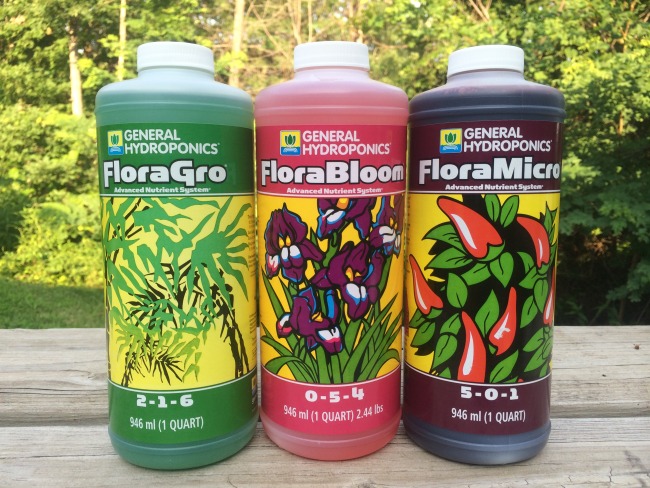
Hydroponic nutrients aren’t just “plant food in a bottle.” Different stages of growth require different nutrient blends, especially when it comes to N-P-K ratios.
- Vegetative stage: Higher nitrogen
- Flowering/fruiting: More phosphorus and potassium
Using the wrong blend (or using too much) can cause nutrient burn or deficiency symptoms. Always check what your specific plant needs and follow the label — but be ready to adjust based on how your plants respond.
| Understanding N-P-K Ratio Of Hydroponic Nutrients | 4 Best Nutrient Regimens For Hobby Hydroponics |
|---|---|
 |
 |
Not enough Oxygen
Plant roots breathe, too.
Without enough oxygen at the root zone, plants can’t perform root respiration — which leads to sluggish growth and makes them vulnerable to root rot and pathogens.
- Systems like ebb and flow provide oxygen naturally through drainage cycles.
- Deep water culture (DWC) systems need constant oxygen from an air pump and air stones.
- Bigger root systems = more air needed.
Adding more than one air stone? Always a good idea.
| 5 Ways To Provide Oxygen To Your Hydroponic Plant’s Roots | Q&A: Does My Hydroponic System Need An Air Pump? |
|---|---|
 |
 |
Not Providing Proper Circulation
Hydroponic setups usually involve warmth and humidity — perfect conditions for mold, mildew, and stale air problems.
Good airflow:
- Reduces risk of mold and fungal growth
- Helps with temperature regulation
- Replenishes CO₂ for better photosynthesis
If you’re growing in a tent or enclosed space, add a fan and a vent system to keep things moving and fresh.
| 8 Benefits Of Adding Fan To Your Hydroponic Garden |
|---|
 |
Not Maintaining Temperature
Both air temp and nutrient solution temperature matter more than beginners realize.
- Nutrient solution: Should stay between 65–75°F (18–24°C)
– Too warm? Less oxygen, more root rot - Air temp: Impacts germination, growth rate, and fruit/flower development
- Different crops have different optimal temps (e.g., lettuce bolts when it gets too hot)
Do some research on your specific crop’s temperature needs — your plants will thank you for it.
| 6 Ways To Keep Your Hydroponic Nutrient Solution Cool | The Perfect Grow Room Temperature Controller For Hobby Hydroponics |
|---|---|
 |
 |
FAQ: Common Hydroponic Beginner Mistakes
What are the most common mistakes in hydroponics?
The big six: ignoring pH, poor lighting, using the wrong nutrients or strength, low oxygen at the roots, weak air circulation, and running the system too hot or too cold.
How often should I check and adjust pH?
Check pH at least every other day (daily is better) and keep it between 5.5–6.0 for most leafy greens. Use pH up/down in small increments and re-check after mixing.
My leaves are yellow. Is it nutrients or pH?
Start with pH—if it’s out of range, nutrients can’t be absorbed. If pH is fine, review EC/PPM and your N‑P‑K ratio for the plant’s stage. Also check roots (oxygen) and temperature.
How much light do hydroponic plants need?
Most leafy greens do well with 10–14 hours/day of moderate-intensity light. Too little causes stretching; too much intensity can scorch leaves. Use timers for consistency.
What EC/PPM should I use as a beginner?
Err on the lighter side of the label’s recommendation. Young plants and leafy greens often prefer mild solution strength; increase gradually as growth accelerates.
Do I need an air pump in hydroponics?
DWC requires constant aeration with an air pump and air stones. Ebb & flow and other drain/refresh systems introduce oxygen during the drain cycle, but added aeration never hurts.
How important is airflow and circulation?
Very. Gentle, continuous airflow reduces mold/mildew, evens temperature, and replenishes CO₂. In tents or closets, use an inline fan plus an oscillating fan.
What temperature should I keep my nutrient solution?
Aim for 65–75°F (18–24°C). Warmer water holds less oxygen and increases the risk of root rot. Consider a chiller or frozen bottle in hot environments.
Final Thoughts
If you’re just starting out with hydroponics, don’t stress about getting everything perfect. Mistakes are part of the process — and honestly, they’re the fastest way to learn.
But a little preparation and knowledge (like what you’re reading right now) can help you avoid the most common beginner traps and set your garden up for success.