


If there’s one thing that can turn a thriving hydroponic garden into a slimy disaster, it’s root rot. Brown, mushy roots don’t just stop one plant — the problem can spread like gossip at a family reunion, wiping out an entire system if you’re not careful.
The good news? Root rot is easier to prevent than to fix. A few small habits can keep your plants’ roots white, healthy, and happily slurping up nutrients.
*Note– If your plants already have the funk, check out my How To Save Your Plant From Root Rot Guide.
Where Does Root Rot Come From?
Root rot doesn’t appear out of nowhere. Common sources include:
- Pests like fungus gnats carrying root pathogens.
- Infected transplants that bring diseases into your system.
- Dormant spores hiding on tools, grow media, or equipment.
- Too-warm nutrient solution with low oxygen, creating the perfect breeding ground for bad bacteria.
Quick How-To: Stop Root Rot Before It Starts
🌡 Keep nutrient solution below 75°F (65–70°F is ideal).
💨 Provide plenty of aeration with air stones or diffusers.
🧼 Clean tools and equipment after every use.
🪱 Control pests like fungus gnats with sticky traps.
🌑 Block light from reaching roots with opaque containers.
🧪 Add beneficial bacteria (like Hydroguard) for extra protection.
10 Ways to Prevent Root Rot in Your Hydroponic Garden
1. Keep Proper Temperature
When your nutrient solution gets above 75°F, oxygen levels drop and pathogens thrive. Aim for 65–70°F to keep roots healthy and oxygenated.
💡 Pro Tip: A simple aquarium thermometer makes monitoring temps easy. If heat is an issue, add a reservoir chiller or keep your system out of direct sunlight.
2. Maintain a Sterile Environment
Always clean and disinfect tools after each use. Contaminated scissors, buckets, or even tubing can spread pathogens quickly.
3. Add Beneficial Bacteria
Products like Hydroguard introduce helpful microbes that outcompete harmful pathogens. These “good guys” promote fuller, healthier roots and boost oxygen intake.
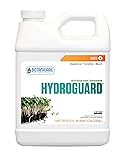 | My Top Pick | 3,300+ Reviews |
4. Keep Your Garden Tidy
Dead leaves and plant debris invite bacteria. Remove decaying matter right away and keep it from falling into your reservoir. It’s important to have a routine of cleaning your hydroponic system.
5. Block Light from Roots
Algae and bacteria love light. Use dark-colored or opaque containers and cover any exposed areas to keep roots in the dark where they belong.
6. Provide Plenty of Aeration
Oxygen is a root’s best defense. Add extra air stones or air diffusers to keep the solution bubbling and discourage pathogens.
💡 Pro Tip: If roots look slimy, increase airflow immediately — oxygen is your first line of defense.
7. Split Up Large Systems
If you’re running a larger setup, use multiple reservoirs instead of one giant system. That way, if root rot appears, you can isolate the problem instead of losing everything.
8. Monitor Pests
Fungus gnats and other bugs can spread disease fast. Use yellow sticky traps and filtered vents to keep pests from setting up camp.
9. Start with Healthy Transplants
Don’t invite problems in. Inspect plants before introducing them into your system to avoid bringing pests or pathogens along for the ride.
10. Prune Roots When Needed
Just like pruning the top, trimming roots keeps them manageable. Large root masses can restrict aeration. A careful trim encourages lateral growth and better oxygen access.
Conclusion
As a hydroponic gardener, you’ll probably encounter root rot at some point. But by taking preventive steps, you can drastically reduce your chances of dealing with it — saving time, money, and frustration.
If you do catch root rot early, there’s hope: you can still save plants before the disease takes over.
👉 Check out How To Save a Hydroponic Plant From Root Rot for step-by-step recovery tips.
Related Guides
- Hydroponic System Cleaning & Hygiene
- How To Oxygenate Water for Hydroponic Plants
- How To Save a Hydroponic Plant From Root Rot
FAQ About Hydroponic Root Rot
What are the first signs of root rot?
Roots turn brown, slimy, and start to smell bad. Leaves may wilt or yellow even if your nutrients are fine.
Can root rot spread to all plants in my system?
Yes. Once pathogens are in your reservoir, they can quickly affect every plant sharing that solution.
What temperature should my nutrient solution be?
Keep it 65–70°F for ideal oxygen levels. Anything above 75°F increases root rot risk.
Will hydrogen peroxide cure root rot?
Hydrogen peroxide can help temporarily by adding oxygen and killing some pathogens, but it’s not a long-term fix. Prevention and beneficial bacteria are more effective.



EUREKA everything I wanted to know and more . just off the top of my head I would think roots need to be pruned and I’m a noob . oh yeah I ask this question before seeing this article . good stuff keep up the good work I appreciate it
I just bought 35 gal. Closed barrels. Do you think this will work for hydroponic growing??? I purchased masterblend nutrients and gonna give it a try. No pumps, just wondering if this will work?? What should I use to test the water for pH levels??? Thanks, Jackie
There are a few ways to test pH. You can use strips, a liquid test kit or my preferred option is using an electronic pH meter. Those barrels will work for a Kratky setup, though that method can be difficult for beginners growing fruiting plants. I would recommend adding an air pump and air stone to your setup if possible.
I have small black spots on my roots . Roots are white and plants growing ok ( Bib lettuce )
Just wondering what it is I’m a newbie thanks
It could be a sign of pests or could just be debris. Feel free to send me a picture and I can take a look. info@nosoilsolutions.com
Why my lettuce getting root rot. Although, I already changed water in every cycle. I treat my seedlings with hydrogen peroxide before transfering in deep water culture system in my hydroponics. But still my lettuce getting root rot. What should I do? I need your suggestions. Thanks in advance.
Hey Cindy! How are your temperature and oxygen levels? Here is another article for you to check out: How To Save Your Hydroponic Plant From Root Rot