


Deep water culture (DWC) is one of the simplest and most effective hydroponic methods out there — which is why so many home gardeners start here. It’s easy to build, low-maintenance, and surprisingly powerful when it comes to plant growth.
If you’re a beginner looking to get into hydroponics, DWC hydroponics is a smart place to start. It’s no-fuss, low-cost, and produces impressive results. Here’s what you need to know.
What Is A Deep Water Culture Hydroponics System?
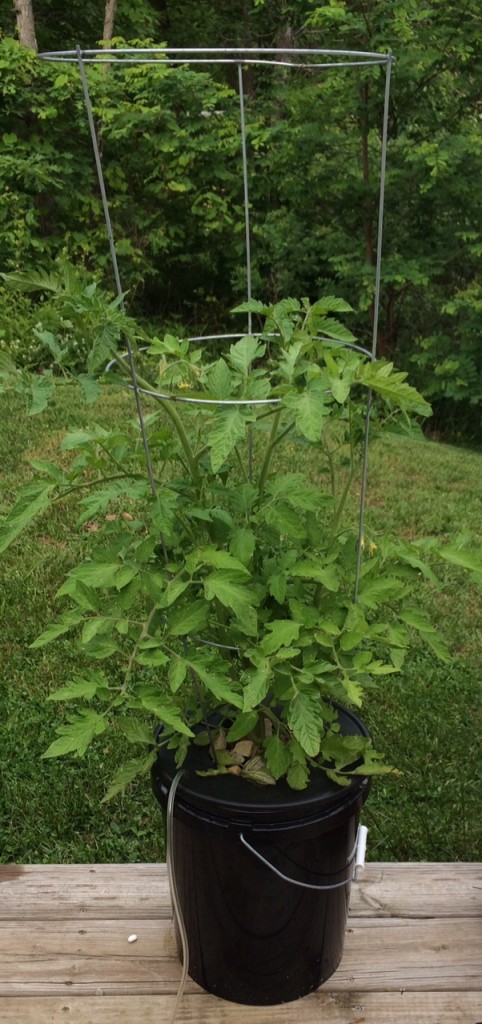
A classic example of a DWC system is the 5-gallon hydroponic bucket, also called a bubble bucket. (Here’s how to build one). These systems are dead simple to set up and can grow surprisingly large fruiting plants like tomatoes, cucumbers, and peppers.
Here’s how it works:
- The plant’s roots are suspended in a reservoir filled with nutrient-rich water.
- An air stone or air diffuser provides constant oxygen to the root zone.
- There’s no need for moisture-retaining grow media — the roots live directly in water.
The key to success? Oxygen. Without it, roots can “drown” in the nutrient solution. That’s why constant air flow from your pump and air stone is non-negotiable.
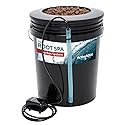 | My Top Pick | 1,400+ Reviews |
Quick Overview of How DWC Hydroponics Works
- Reservoir: Fill a container with nutrient-rich water.
- Net Pot & Lid: Place plants in net pots so roots dangle into the solution.
- Air Pump & Air Stone: Deliver constant oxygen to the root zone.
- No Medium Needed: Roots grow directly in water (sometimes with a starter plug).
Pro Tip: Oxygen is the key to DWC success. Without it, roots drown quickly. More bubbles = more growth.

Why Is Deep Water Culture So Effective?
DWC works so well because it gives your plant roots the best of both worlds: nutrients + oxygen, nonstop.
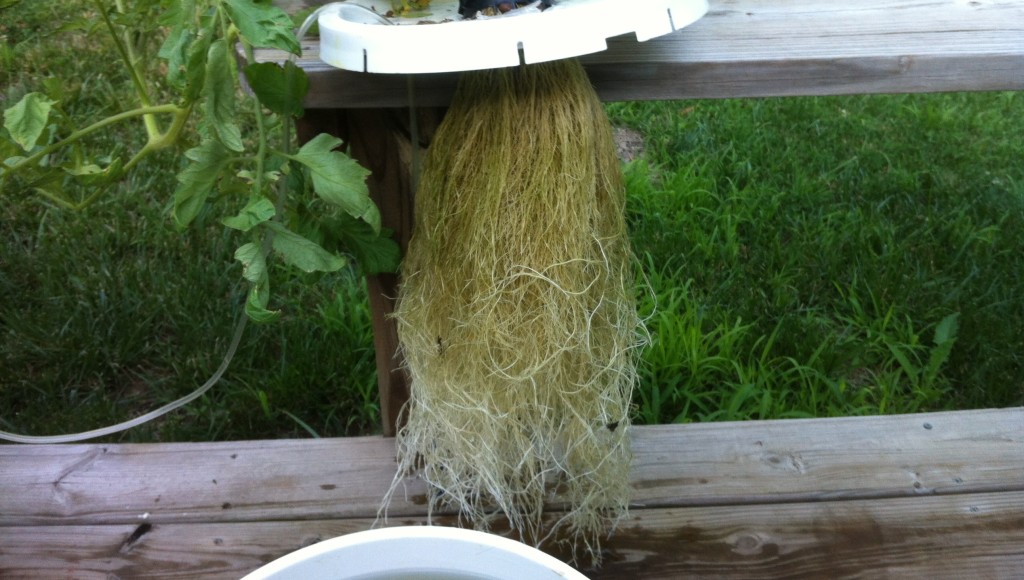
Roots in DWC systems grow fast and thick, forming a massive, healthy root ball. That explosion in root development leads to stronger, faster plant growth.
- The more oxygen the roots get, the better.
- The smaller the air bubbles, the more easily the roots can absorb them.
- Bigger air stones = more bubbles = happier plants.
TIP: You really can’t over-oxygenate your reservoir. More air = more growth.
Tips For Using Deep Water Culture Hydroponics
Even though it’s simple, DWC has a few quirks to keep in mind:
🔥 Don’t Burn the Roots
Since the roots are always submerged in nutrient solution, avoid using a concentration that’s too strong. High EC (electrical conductivity) levels can fry the roots and cause nutrient lockout. Start mild and adjust as needed.
⚡️ Have a Backup Plan for Power Loss
DWC systems rely on constant air from your pump. If the power goes out, roots can suffocate quickly.
If you lose power:
- Lower the water level halfway so some roots are exposed to air
- This buys time and keeps your plants alive until power returns
📝 Plan Ahead for Water Changes
Changing the nutrient solution can be tricky once plants get large.
A few smart solutions:
- Install a drain line or valve to empty the reservoir
- Have a support system ready for the plant lid so roots don’t get crushed
- Keep a second bucket on hand to rest the lid and roots during water changes
TIP: You’ll thank yourself for planning ahead once your tomato plant weighs 10 pounds and clings to the bucket like it pays rent.
Troubleshooting Deep Water Culture
Even simple systems have quirks. Here’s a quick reference for common DWC issues:
| Problem | Likely Cause | Fix |
|---|---|---|
| Roots turning brown/slimy | Low oxygen, warm water, or root rot | Add more air stones, keep water 65–70°F, and use beneficial microbes or H₂O₂ flush |
| Leaf burn or curling | Nutrient solution too strong (high EC) | Start mild, top off with fresh water, and monitor EC/ppm |
| pH swings rapidly | Small reservoir or poor buffer | Use a larger reservoir, check pH daily, and adjust slowly |
| Slow plant growth | Not enough oxygen or water too warm | Add airflow, insulate reservoir, or move system to a cooler spot |
| Reservoir smells bad | Algae or bacteria buildup | Keep lid light-proof, clean system between crops, and add air circulation |
Related Guides
DWC FAQ
Is DWC good for beginners?
Yes. It’s one of the easiest and most cost-effective hydroponic systems to set up at home.
What plants grow best in DWC?
Leafy greens, herbs, and larger fruiting plants like tomatoes, peppers, and cucumbers thrive in bubble buckets.
How often do I change the water?
Every 1–2 weeks is typical. Top off with fresh water between changes to maintain levels and prevent nutrient spikes.
Do I need a water chiller?
Not always. If your water temp stays above 72°F consistently, a chiller or ice bottles can help prevent root rot.
Final Thoughts
Deep water culture hydroponics is a beginner-friendly system that punches way above its weight. It’s cheap to build or buy, easy to maintain, and can support large, fruiting plants with the right care.
Whether you’re growing lettuce or tomatoes, the simplicity and performance of DWC make it a long-time favorite for hobby hydroponic growers.


I really liked your article, being new to hydroponics
It’s hard to get good information out there a lot of online info I was reading was just trying to sell me different type of kits.
I look forward to following your articles
Thanks for the feedback Chad! I ran into the same thing when I first got started, glad it was useful for you!
I’m interested in hydroponics and I will try this after reading your article
That’s awesome!