
Yellow leaves in a hydroponic garden can be frustrating — especially when everything seemed fine yesterday. The good news? It’s one of the most common issues beginners face, and in most cases, it’s easy to fix once you know the cause.
Finding the root cause of a problem is mostly about eliminating what isn’t the issue. You can use this guide to quickly diagnose why your hydroponic plants are turning yellow and what to do to get them green and thriving again.
1) Nutrient Deficiency
When plants can’t access enough of certain nutrients, the leaves are often the first to show signs.
- Nitrogen deficiency → Older leaves turn pale yellow starting from the tips; new growth stays greener.
- Iron deficiency → New leaves turn yellow, but veins remain green (chlorosis).
- Magnesium deficiency → Yellowing between veins on older leaves.

How to fix it
- Use a complete hydroponic nutrient mix designed for the crops you grow and the stage of growth it’s in.
- Follow label dosage; too little causes deficiencies, too much can cause nutrient lockout.
- Match the symptom with a targeted supplement (example Cal-Mag for calcium/magnesium).

| My Top Pick SuperThrive Foliage Pro Hydroponic Nutrients | 600+ Reviews |
2) pH Imbalance
In hydroponics, pH determines nutrient availability. If pH drifts too high or low, roots can’t absorb what’s in the water (again, nutrient lockout), and leaves turn yellow.
The general rule is to keep pH between 5.5-6.5.
How to fix it
- Test pH regularly with a calibrated meter.
- Adjust gently with pH Up/Down; avoid large swings.
- Recheck after adjustments and again 12–24 hours later.
Related 🔗: How to Adjust the pH of Your Hydroponic Nutrient Solution
 | My Top Pick | 8,200+ Reviews |
3) Low Oxygen at the Roots
Roots need oxygen just as much as they need water and nutrients. In hydroponics, oxygen comes from dissolved oxygen in the nutrient solution and from air exposure in the root zone.
If the water level is too high, aeration is weak, the media stays soggy, or the water is too warm, roots can suffocate — leading to yellowing leaves, slow growth, and eventually root rot.
How to fix it
How to fix low oxygen at the roots depends on which hydroponic method you’re using. Some methods are less likely than others to experience this issue.
- DWC: Keep the water about 1 inch below the net pot and make sure air stones are producing plenty of bubbles.
- Ebb & Flow: Increase the time between floods or shorten the flood cycle.
- Drip: Reduce the drip rate or frequency if the media stays soaked.
- Kratky: Maintain an air gap at the top of the root zone — don’t refill too high.
🌱 Pro Tip: Keep water temps between 65–70°F (18–21°C). Warmer water holds less dissolved oxygen, making oxygen problems worse.

| My Top Pick | 2,100+ Reviews |
4) Root Rot
Yellowing leaves plus brown, slimy, smelly roots usually means root rot. It thrives in warm, stagnant, or low-oxygen conditions and can spread to other plants sharing the same nutrient solution.

This is probably the worst-case scenario. Sometimes you can save your plant from root rot, but it must be done quickly.
How to fix it
- Remove severely affected plants to protect the rest.
- Drain, clean, and sanitize the system and tools.
- Add beneficial microbes (like Hydroguard) or a root-zone cleaner per label.
- Keep water temps at 65–70°F (18–21°C) and maximize aeration.
Related 🔗: How To Save Your Hydroponic Plant From Root Rot
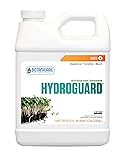 | My Top Pick | 3,300+ Reviews |
5) Lighting Problems
Too little light causes pale growth and yellowing; too much can bleach or scorch leaves.
How to fix it
- Set fixture height per manufacturer guidance and plant stage.
- Provide 14–16 hours/day for vegetative growth.
- Seedlings need gentler intensity; use seedling-safe settings or increase distance.

| My Top Pick | 4,900+ Reviews |
6) Natural Leaf Aging
If only the oldest, lowest leaves are yellowing and new growth looks healthy, it’s likely normal aging.
How To Fix It
Remove spent leaves to improve airflow and appearance.
Hydroponic Plant Yellowing FAQs
Can tap water cause yellow leaves in hydroponics?
Yes. Hard water, chlorine, or chloramine can affect nutrient uptake. Use filtered, RO, or dechlorinated water when possible.
How fast will plants recover after I fix the issue?
New growth should look healthy within about a week. Old yellow leaves usually won’t re-green — focus on the appearance of new leaves.
Should I flush my system if I notice sudden yellowing?
If you suspect nutrient imbalance or salt buildup, a 24-hour flush with clean, pH-balanced water can help. Refill with fresh solution after the flush.
Final Thoughts
When leaves turn yellow in your hydroponic garden, it’s your plant’s way of telling you something’s off — but it’s rarely the end of the world. Most of the time, the fix is as simple as correcting your pH, adjusting nutrients, or improving aeration.
Keep in mind that once a leaf has yellowed, it usually won’t turn green again. Your goal is to stop the problem from spreading and focus on producing healthy, green new growth. Removing badly damaged leaves can also help the plant redirect its energy where it’s needed most.
Hydroponics is a learning process, and every yellow leaf is an opportunity to become a better grower. Pay attention, make adjustments, and your plants will reward you with strong, vibrant growth.