


Thrips in Hydroponics: How to Identify, Prevent, and Get Rid of Them
Pests are a pain. And thrips sit high on the list of common—and frustrating—pests that can show up in a hydroponic garden.
Don’t thrip out. Once you know what to look for and how to respond early, thrips are manageable. This guide covers how to identify thrips, the damage they cause, and the safest ways to eliminate them in a hydroponic setup.
What Are Thrips?
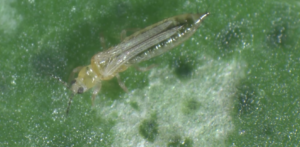
Thrips are tiny, slender insects with narrow wings. There are thousands of thrips species, and while some are beneficial predators, many common varieties feed on plants and become serious pests indoors.
For hobby hydroponic growers, species identification isn’t practical or necessary. If you see thrips or their damage, it’s best to treat promptly rather than trying to determine the exact variety.
Key thrips traits:
- Usually live on the underside of leaves
- Extremely small and hard to see
- Move quickly—often jumping or flying when disturbed
- Reproduce rapidly
Important biology note:
Thrips reproduce primarily through egg-laying. Some species can reproduce without mating (parthenogenesis), which allows populations to grow rapidly indoors. Females insert eggs directly into soft plant tissue—such as leaves, veins, and young stems—where they are protected from most contact treatments.
How Thrips Affect a Hydroponic Garden
Thrips feed by piercing plant tissue and sucking out cell contents. They attack leaves, stems, flowers, and fruit.
Common signs of thrips damage include:
- White, yellow, or pale speckling on leaves
- A silvery or bronze sheen
- Distorted new growth
- Reduced flowering or fruit set
Beyond physical damage, thrips can:
- Stress plants and slow growth
- Open the door to secondary infections
- Transmit plant viruses, including tomato spotted wilt virus (TSWV)
For fruiting crops like peppers and tomatoes, unmanaged thrips can significantly reduce yields.
How to Tell If You Have Thrips
Thrips are easy to miss early, so inspection matters.
Check for thrips by:
- Flipping leaves over and inspecting the underside
- Looking for tiny black specks (thrips droppings)
- Gently shaking the plant—adult thrips may dart away
Pro tip:
Use a yellow or blue sticky trap near your plants. These won’t solve the problem alone, but they’re excellent early-warning tools.
How to Prevent Thrips in Hydroponics
Prevention is far easier than eradication.
Best prevention practices:
- Remove dead leaves and plant debris promptly
- Avoid overcrowding plants
- Inspect new plants or clones before introducing them
- Keep tools and hands clean between plants
Using a grow tent adds a physical barrier between your garden and pests, while also improving environmental control and cleanliness.
How to Get Rid of Thrips in a Hydroponic Garden
If thrips show up, act early. Small infestations are much easier to control than established ones.
Neem Oil
Neem oil is a common first-line option for hobby growers.
Why it works:
- Disrupts feeding and reproduction
- Effective against multiple life stages
- Low toxicity when used correctly
Apply according to label directions and spray undersides of leaves thoroughly. Avoid spraying under intense lighting to prevent leaf burn.
 | My Top Pick | 2,400+ Reviews |
Insecticidal Soap
Insecticidal soaps are effective for light to moderate infestations.
- Kills thrips on contact
- Safe for edible crops when used as directed
- Must directly hit the insect to work
Repeat applications are usually necessary since eggs are protected inside plant tissue.
 | My Top Pick | 11,800+ Reviews |
Beneficial Insects (Biological Control)
If you prefer a chemical-free approach, beneficial insects can be highly effective in enclosed indoor systems.
Ladybugs
Ladybugs will eat thrips—especially larvae—but they are better suited for larger or enclosed spaces like tents. They tend to wander in open rooms.
Predatory Mites (Amblyseius / Neoseiulus species)
Predatory mites are one of the most effective biological controls for thrips.
- Nearly invisible once released
- Actively hunt thrips larvae
- Work continuously without spraying
They are especially well-suited for hydroponic gardens where humidity and airflow are controlled.
Beginner FAQ: Thrips in Hydroponics
Can thrips live in hydroponic systems without soil?
Yes. Thrips live on plants, not in soil. Hydroponics does not prevent them.
Are thrips more common indoors or outdoors?
They occur in both, but indoor hydroponic systems can allow populations to grow faster if unchecked.
Do thrips live in the nutrient solution?
No. Thrips live on plant tissue. However, pupation can occur in plant crevices or nearby surfaces.
Will one treatment get rid of thrips?
Usually not. Because eggs are protected inside plant tissue, multiple treatments are often required.
Are thrips harmful to humans or pets?
No. Thrips are strictly plant pests.
Final Thoughts
Thrips are annoying, but they’re not a death sentence for your hydroponic garden.
The key is early detection.
Small infestations are easy to control. Large ones are time-consuming and stressful.
A quick weekly leaf inspection, good hygiene, and fast action can save you both plants and frustration.


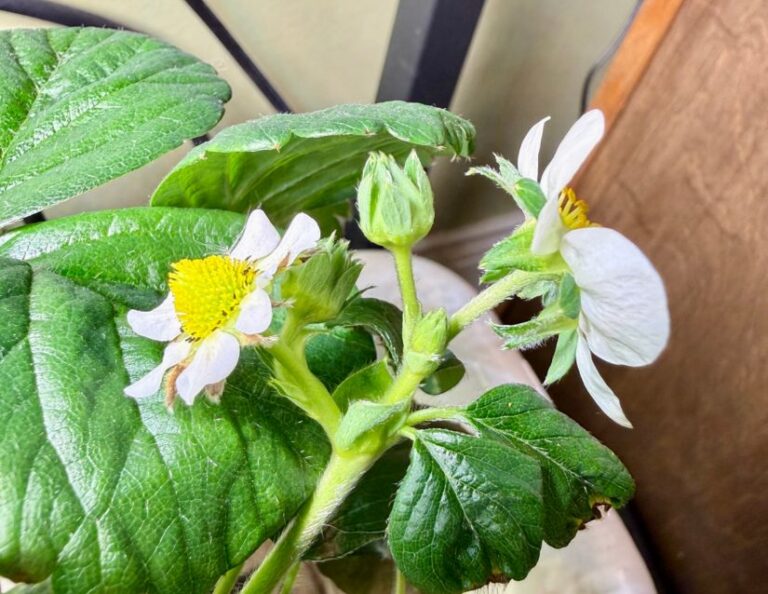

I thought white thrips needed soil to pulpate, would going hydro completely eliminate them?
I’ve been struggling with thrips for over 2 months now, it’s all over the house and last week I thought I finally won the war, but saw new ones today…
Been threating every week with pesticide 😩
Hey Yasmin! Unfortunately, thrips do not need soil to populate. They are a tricky pest. Did you try some of my recommendations from the article?