Few things are more frustrating than watching a healthy hydroponic plant suddenly stall out, fade in color, or look like it’s begging for help. When plants show deficiency symptoms even though you’re feeding them, you may be dealing with nutrient lockout.
Think of lockout like a mineral traffic jam. The nutrients are in the reservoir, but the roots can’t absorb them—so the plant starves despite sitting in a buffet. Left untreated, nutrient lockout can bring your entire hydroponic garden to a halt.
Here’s how to identify it, fix it fast, and keep it from happening again.
Quick Fix: How to Treat Nutrient Lockout
If you need the fast answer, here it is:
- Drain the reservoir completely.
- Rinse roots and system with fresh, clean pH-balanced water.
- Circulate a flushing/leaching agent for 30–60 minutes (optional but helpful).
- Drain again and refill with plain water.
- Let plants sit in plain water for 24–48 hours to reset.
- Refill with a properly mixed nutrient solution and confirm pH is 5.5–6.5.
Most plants bounce back within a few days.

What Is Nutrient Lockout? (Beginner-Friendly Explanation)
Hydroponic plants rely entirely on water chemistry. When something throws that chemistry off—like pH, salt buildup, or improper mixing—certain minerals become unavailable to the plant.
The nutrients are present…
the plant just can’t use them.
Typical nutrient lockout symptoms:
- Yellowing or pale leaves
- Discoloration that looks like nutrient deficiency
- Stunted or stalled growth
- Leaves curling or twisting
- Healthy roots but unhealthy foliage
If untreated, plants eventually run out of stored nutrients and stop growing altogether.
Before You Assume It’s Nutrient Lockout… Check This
Beginners often confuse lockout with other common hydroponic issues. Do this quick check:
- ✔️ Is pH between 5.5 and 6.5?
- ✔️ Has EC/PPM climbed much higher than normal? (indicates salt buildup)
- ✔️ Are the roots healthy? (white/tan, firm—not brown or slimy)
- ✔️ Did you recently change nutrients or mixing order?
- ✔️ Has the reservoir gone too long without a full change?
If pH is off or salts are high, it’s almost always lockout.
If roots look sick, you may be facing root rot instead.
Common Causes of Nutrient Lockout
1. Incorrect pH Levels
This is the #1 cause hands-down.
Hydroponic plants can only absorb nutrients within a specific pH range:
👉 5.5–6.5 for most crops.
If the pH drifts outside this range, nutrients like iron, calcium, and magnesium become unavailable—even though they’re floating right there in the water.
 | My Top Pick | 23,000+ Reviews |
2. Salt & Mineral Buildup
As water evaporates or gets used by the plant, salts concentrate in the reservoir and on the roots. Over time, these minerals build up and block nutrient absorption.
Causes include:
- Infrequent reservoir changes
- Hard tap water
- Evaporation without topping off
- Overfeeding
If you use an EC/PPM meter, rising numbers usually confirm salt buildup.
3. Improperly Mixed or Overly Strong Nutrient Solutions
Multi-part nutrients (like A/B formulas) must be added in the order specified—usually Part A, stir, then Part B.
Mixing parts together before adding water causes nutrients to bind together, instantly triggering lockout.
Other common mistakes:
- “Boosting” nutrients to make plants grow faster
- Mixing at full strength when plants are young
- Guessing instead of measuring
When in doubt, start lighter than the bottle directions recommend.
How to Fix Nutrient Lockout (Step-by-Step)
1. Drain the reservoir
Start fresh. Trying to “fix” a contaminated or unbalanced solution rarely works.
2. Rinse the roots
Use clean, pH-balanced water. The goal is to wash away built-up salts stuck to the root surface.
Root check:
Healthy roots are white to tan. Dark, slimy, or foul-smelling roots signal root rot, not lockout.
3. Run a flushing agent (optional, but effective)
Products like Clearex or FloraKleen help dissolve mineral buildup much faster.
Let it circulate 30–60 minutes.
 | My Top Pick | 1,500+ Reviews |
4. Drain again and refill with fresh water
This gives roots a clean reset in fresh water.
5. Balance pH and let plants rest 24–48 hours
No nutrients, just fresh pH-balanced water.
6. Mix nutrients correctly and refill
Use a lighter nutrient dose for the first feeding after lockout. Confirm pH is 5.5–6.5 with a couple of spaced readings.
Your plants should show new, healthy growth within a few days.
How to Prevent Nutrient Lockout
- Check pH daily or every other day
- Perform full reservoir changes weekly
- Follow mixing instructions exactly
- Use clean equipment and a clean reservoir
- Monitor EC/PPM for creeping nutrient strength
- Avoid overfeeding—more nutrients ≠ faster growth
- Keep water temperatures below 70–72°F
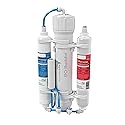
If your tap water is very hard, consider filtered or RO water to avoid accelerated mineral buildup.
 | My Top Pick | 6,100+ Reviews |
Related Guides
- How To clean Your Hydroponic System
- 5 Most Common Hydroponic Pests
- 7 Common Reasons Hydroponic Plants Die (And how to fix them)
- Why Are My Hydroponic Plants Leaves Turning Yellow?
FAQ: Nutrient Lockout in Hydroponics
What does nutrient lockout look like?
Stunted plants, fading or yellowing leaves, deficiency-like patterns, and slow growth—even though you’re feeding them normally.
How long before plants recover after a flush?
Most plants show improvement within 48–72 hours. Severe cases may take a week.
Can nutrient lockout kill my hydroponic plants?
Yes, if ignored. Once the plant can’t absorb nutrients, growth stops and decline begins quickly.
Is nutrient lockout the same as root rot?
No. Lockout affects nutrient absorption; root rot affects root health itself.
Roots are the giveaway:
- White/tan roots = lockout likely
- Brown, smelly, slimy roots = root rot
Do I really need a flushing agent?
Not required, but it shortens recovery time—especially in systems with heavy salt buildup.
Final Thoughts
Nutrient lockout can look scary, but once you understand what causes it, fixing the problem is usually quick and painless. A simple flush, a pH check, and a fresh batch of properly mixed nutrients are often all it takes to get your plants back on track.
The real power comes from prevention—keeping pH in range, changing your reservoir regularly, and staying ahead of salt buildup.