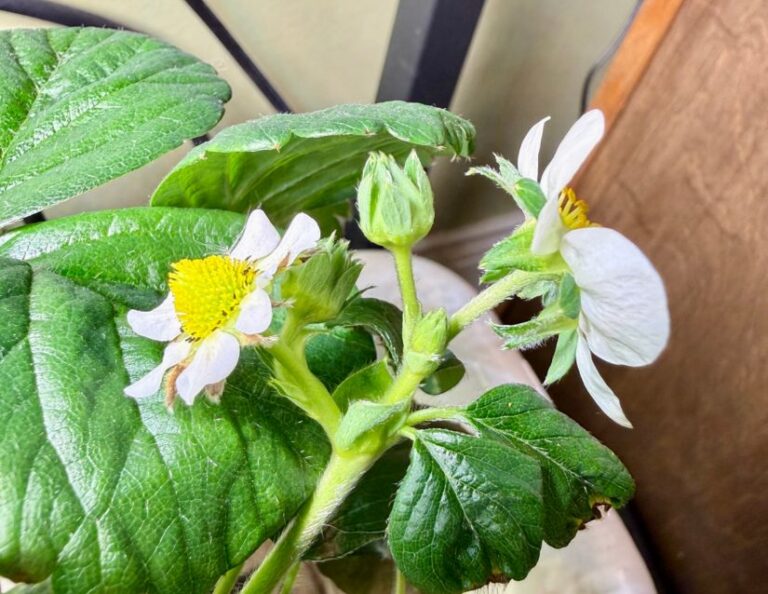
You can build the perfect hydroponic system, dial in your lighting, and keep your nutrient solution on point — but if you start with poor-quality seeds, your garden is already set up for disappointment.
Good news: choosing the right seeds is one of the least expensive but most impactful steps in hydroponics. Better seeds mean better germination, healthier plants, and tastier harvests.

Quick How-To: Pick Seeds That Thrive in Hydroponics
- Buy from trusted suppliers (Burpee, Johnny’s Selected Seeds, True Leaf Market, Amazon with strong reviews).
- Choose compact/“container” or bush varieties for small systems; avoid space hogs.
- Check the “days to maturity” so you can plan harvests and run more cycles.
- Prioritize disease-resistant hybrids for reliable results while you’re learning.
- Avoid GMO or chemically treated seeds if you want clean, fresh produce and to use microgreens.
Where to Get Seeds for Your Hydroponic Garden
Local hardware/garden centers are great in spring and summer. In the off-season or for specialty varieties, go online:
- Burpee — beginner-friendly with lots of hybrids.
- Johnny’s Selected Seeds — huge variety and detailed growing notes.
- True Leaf Market — excellent for heirloom and organic seeds.
- Amazon — convenient; check seller ratings and recent reviews for freshness.
🌱 Pro Tip: Stock up during late-season clearances. Store packets in a cool, dry, dark place and they’ll stay viable longer.
Key Factors When Choosing Seeds
- Space Requirements — Some crops (head lettuce, big tomatoes) need elbow room. Small system? Reach for compact/patio types.
- Plant Spacing — Crowding = lower yields. Match packet spacing to your system’s site count and lid spacing.
- Plant Height — Tall, vining, or indeterminate types can outgrow light clearance. Bush/dwarf fits indoor rigs.
- Days to Maturity — Shorter days mean faster harvests and more turns per year (greens ~30–45 days; fruiting crops ~60–90+).
- Produce Size — Massive fruit looks fun but stresses small systems. Smaller fruits = steadier harvests indoors.
- Growing Conditions — Some varieties prefer cool temps (lettuce, spinach); others want warmth and strong light (tomatoes, peppers).
Beginner Seed Label Decoder
- Container/Bush/Patio: Bred to stay compact — ideal for small hydro systems.
- Determinate vs. Indeterminate (tomatoes): Determinate = shorter, set fruit in a window; Indeterminate = keep growing (needs more space/trellising).
- Bolt-Resistant (greens): Slower to flower in heat — great for warmer rooms.
- Disease Codes (V, F, N, T, A): Resistance to Verticillium, Fusarium, Nematodes, Tobacco Mosaic, Alternaria, etc. More letters = fewer headaches.
- Pelleted: Tiny seeds (lettuce, basil) coated for easier handling — perfect for Rapid Rooter or rockwool.
Note: You don’t need special “hydroponic seeds.” Quality, vigor, and the right variety for your setup matter most.
Example: Tomato Variety Comparison
Plants of the same variety differ, not all tomato plants are the same. See how height, spacing, and fruit size change what fits your system:
| Variety | Plant Height | Spacing Needed | Fruit Weight | Best For |
|---|---|---|---|---|
| Brandy Boy Hybrid | ~75 in. | ~65 in. apart | ~14 oz | Larger systems, long-term indoor/outdoor grows |
| Porterhouse Hybrid | ~40 in. | ~18 in. apart | 2–4 lbs | Outdoor hydro or very spacious indoor setups |
Heirloom vs. Hybrid: Which Is Better for Beginners?
Heirloom: Big on flavor and seed-saving; may be less uniform and more disease-prone.
Hybrid: Bred for disease resistance, vigor, and consistency; can’t reliably save seeds. Most beginners succeed faster with hybrids.
Seed Quality & Storage Basics
- Check the packed-for year / sell-by date. Fresher seed = higher germination.
- Store cool, dark, and dry. A sealed jar with a desiccant in a closet works great.
- Do a 10-seed paper towel test before sowing older packets to estimate germination rate (how-to here).
- Buy small packs first. Trial a variety in your system before you stock up.
🌱 Pro Tip: For tiny seeds, pelleted options drop neatly into net-pot inserts and starter plugs — fewer doubles, more even canopies.
Related Guides
- How to Start Seeds for Hydroponics (Rapid Rooter)
- Hydroponic Nutrients: A Beginner’s Guide
- 6 Different Types of Hydroponic Systems
FAQ: Hydroponic Seed Selection
Can I use regular garden seeds in hydroponics?
Yes. Most vegetable seeds work in hydroponics. The key is choosing the right variety for your system’s size and light.
What vegetables are easiest to grow from seed in hydroponics?
Lettuce, basil, spinach, kale, and dwarf/bush tomatoes are excellent starter crops.
Are heirloom or hybrid seeds better for hydroponics?
Both can work. Hybrids tend to be more forgiving for beginners; heirlooms shine for flavor once you’re comfortable.
Do I need special “hydroponic seeds”?
No. That’s mostly marketing. Focus on quality, disease resistance, and compact growth habits.
Final Takeaway
Seed choice is the foundation of a happy hydroponic garden. Match varieties to your space and goals, start with reliable suppliers, and you’ll harvest sooner with fewer headaches.