


A few years ago, the idea of empty grocery shelves felt unthinkable. Then it happened—overnight. Produce vanished, limits were placed on staples, and many people realized just how dependent we are on long supply chains for something as basic as fresh food.
Hydroponics started to feel less like a niche hobby and more like a practical skill.
Not because it replaces grocery stores—but because it gives you options.
The Pandemic Was a Wake-Up Call (Without the Doom)
During COVID, it wasn’t just the virus that disrupted daily life. It was how fragile “normal” really is.
- Supply chains slowed or stalled
- Panic buying cleared shelves fast
- “Just go to the store” wasn’t always simple
Most people weren’t worried about luxury items. They were worried about basics: produce, greens, fresh food.
That moment forced an uncomfortable but useful realization: convenience and reliability are not the same thing.
How Hydroponics Actually Helps in Uncertain Times
This isn’t about preparing for the apocalypse. It’s about reducing friction when life gets weird.
Here’s where hydroponics makes practical sense.
1. Reliable Access to Fresh Food (At Least Some of It)
In the U.S., most of us rely entirely on grocery stores for produce. It’s efficient—until it isn’t.
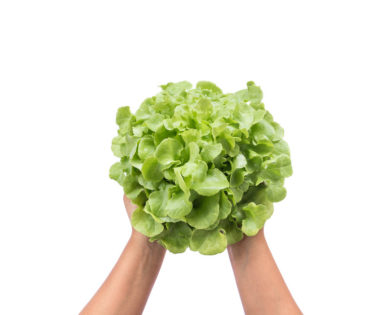
Hydroponics allows you to grow things like:
- Lettuce and leafy greens
- Herbs (basil, cilantro, parsley, mint)
- Small fruiting plants (cherry tomatoes, peppers)
No backyard required. No soil. No seasonal limits if you grow indoors.
Will it replace your entire grocery run? No.
Will it keep fresh greens available when shelves are empty or limited? Absolutely.
 | My Top Pick | 21,100+ Reviews |
2. Less Exposure, Less Stress
Even when food is technically available, getting it may not always feel worth the risk—whether that risk is illness, extreme weather, fuel shortages, or simple overcrowding.
Growing at home means:
- Fewer trips out
- Fewer shared surfaces
- More control over cleanliness and timing
Hydroponic plants also grow faster than soil-grown plants, especially leafy greens. Many beginners harvest lettuce in 3–5 weeks, not months.
3. Independence Without Extremism
Hydroponics isn’t about fear—it’s about resilience.
Other real-world risks to food systems include:
- Extreme weather and climate shifts
- Crop disease and pest outbreaks
- Labor shortages
- Transportation disruptions
None of these are hypothetical. We’ve already seen all of them.
Hydroponics sidesteps several of these issues by:
- Using minimal water
- Avoiding soil degradation
- Growing food where it’s consumed
That’s not radical. That’s efficient.
A Realistic Expectation (Important)
Let’s be clear and honest—because beginners deserve that.
Hydroponics:
- Will not make you fully food-independent
- Will not eliminate grocery stores
- Will not solve global food problems
But it will:
- Give you consistent, fresh produce
- Reduce dependency on fragile systems
- Build confidence and practical skills
- Turn uncertainty into something productive
That’s a win.
Final Thoughts: Hydroponics as a Skill, Not a Survival Fantasy
Hydroponics isn’t about panic prepping. It’s about learning how to grow something—reliably, cleanly, and efficiently—no matter what’s happening outside.
The pandemic showed us that stability can change quickly. Hydroponics offers a quiet, practical response: grow a little of your own food and regain some control.
If you’re curious but intimidated, that’s normal. Everyone starts small.
👉 Ready to begin?
Check out How To Start a Hydroponic Garden in 7 Easy Steps (Beginner’s Guide) and build your first system without overthinking it.
You don’t need to be an expert. You just need to start.


