


Before your plants can load up on tomatoes, peppers, strawberries, or cucumbers, they have to get through one big milestone first: flowering.
When a hydroponic plant switches from leafy growth to making flowers, its needs change—especially light, nutrients, and pollination. If you get those three right, the fruit tends to take care of itself.
This guide walks you through what actually causes plants to flower, how to adjust your nutrient regimen, and how to make sure those flowers turn into food instead of falling off.
Quick Guide: What to Change at the Flowering Stage
When your hydroponic plants start forming buds or flower clusters, you’ll usually want to:
- Check what type of plant you’re growing
- Photoperiod plant (triggered by day length) or day-neutral (flowers with age/size)?
- Adjust the light (for photoperiod plants)
- Short-day / “12-12” plants: reduce light to around 12 hours on / 12 off.
- Day-neutral fruiting crops (tomatoes, peppers, strawberries): usually stay at 14–16 hours of light.
- Switch to a bloom formula
- Lower nitrogen, increase phosphorus and potassium (N down, P & K up).
- Add a Cal-Mag supplement if needed
- Especially if you’re using RO water or strong LED lighting.
- Help with pollination (indoors)
- Gently shake plants, tap flowers, or use a small brush/electric toothbrush.
- Watch for blossom drop
- Check temperature, humidity, and pollination if flowers are falling off.
What Actually Triggers Flowering?
Photoperiod vs. Day-Neutral Plants
Different plants start flowering for different reasons. Understanding which type you’re growing helps you control when flowering happens.
Photoperiod plants
These respond to day length (light duration). Once the light hours hit a certain range, they switch from “leaf mode” to “flower mode.”
- Short-day plants flower when they get longer nights / shorter days. Indoors, this is usually done by switching to about 12 hours of light and 12 hours of darkness.
- Long-day plants do the opposite—some start flowering when days are longer (often 14–18 hours of light).
Day-neutral plants
These don’t care much about day length. They flower based on age, size, and/or environmental cues like temperature and overall health.
Many common hydro crops like tomatoes and peppers are closer to this category for practical purposes: they’ll flower under a wide range of light schedules as long as they’re mature and happy.
If you’re unsure which type you have, a quick search of the variety name will usually tell you whether it’s photoperiod-sensitive.

Can You Control When Plants Flower?
Yes—at least to an extent.
- Delay flowering
- Keep plants under a vegetative light schedule (e.g., 16–18 hours of light).
- Pinch off early flower buds so the plant keeps investing in foliage and roots. Bigger plant now = more places to set fruit later.
- Encourage earlier flowering
- For photoperiod plants, switch them to a shorter light day (e.g., 12 on / 12 off).
- Avoid overdoing nitrogen—too much N keeps plants stuck making leaves instead of blooms.
🌱 Pro Tip: Not ready for flowers yet? Pinch off new buds as they appear. This lets the plant focus on getting bushier first, which usually means more flowers and fruit when you finally let it go.
Adjusting Light for Flowering (Indoors)
If you’re growing indoors, you’re in charge of sunrise and sunset. That’s powerful stuff.
- For photoperiod flowering plants:
- Veg stage: often 16–18 hours of light.
- Flower stage: typically 12 hours light / 12 hours dark to trigger and maintain flowering.
- For day-neutral fruiting crops (tomatoes, peppers, cucumbers, some strawberries):
- Many growers just leave them at 14–16 hours of light from veg through harvest.
- The key is consistency and keeping temperature and nutrition on point.
Whatever schedule you pick, try to keep your dark period truly dark—light leaks during “night” can confuse some plants and cause stress.
Nutrient Needs During the Flowering Stage
During vegetative growth, your plants want nitrogen to build leaves and stems. Once they start flowering, the priorities shift.
Veg vs. Bloom Nutrients (Simple View)
- Vegetative stage:
- Higher N (nitrogen)
- Moderate P & K (phosphorus & potassium)
- Flowering/fruiting stage:
- Lower N
- Higher P & K to support flowering, fruit set, and overall yield
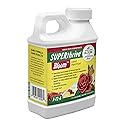
Recommended One-Part Nutrient for Flowering: Superthrive Bloom
If you like keeping things simple, a one-part nutrient makes life easier.
When your plants are ready to flower, you can switch to Supertrive “Bloom”. It’s designed with:
- Lower nitrogen than a typical “Grow” formula
- Increased phosphorus and potassium for flowering and fruiting
- Trace elements included, so you don’t have to juggle five bottles
How to use it for flowering:
- Do a reservoir change when you see plants forming buds or flower clusters.
- Mix Superthrive Bloom to the label’s recommended flowering rate (start on the lighter side if your plants are sensitive).
- Keep an eye on:
- EC/ppm: don’t push nutrients too strong all at once.
- pH: keep it close as possible to 6.0 works well for most flowering hydro crops.
| My Top Pick | 650+ Reviews |
Recommended 3-Part Nutrient for Flowering: GH Flora Series

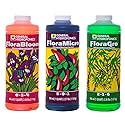
If you’re okay with a little more measuring in exchange for flexibility, General Hydroponics Flora Series is a popular 3-part option:
- FloraGro
- FloraMicro
- FloraBloom
For the flowering stage, you’ll typically:
- Decrease FloraGro (nitrogen-heavy)
- Increase FloraBloom
- Keep FloraMicro in the mix for stable micronutrients
Just follow the General Hydroponics feed chart for the flowering/fruiting stage and:
- Change to a fresh reservoir before you switch recipes.
- Start at ¾ strength or less if your plants are young or sensitive.
- Watch the leaves:
- Dark, overly lush leaves + low flowers = too much nitrogen.
- Pale, weak growth = possibly not enough nutrients or an imbalance.
 | My Top Pick | 7,500+ Reviews |
Should You Add a Magnesium (or Cal-Mag) Supplement?
Consider adding a Cal-Mag or magnesium supplement if:
- You’re using RO or very soft water
- You’re under strong LEDs, which often increase calcium/magnesium demand
- You’re seeing issues like:
- yellowing between veins
- Weak stems or blossom end rot (especially in tomatoes and peppers)
Follow the supplement’s label and don’t overdo it—too many additives can push your EC too high and cause more problems than they solve.
 | My Top Pick | 9,000+ Reviews |
Pollination in Hydroponics
Flowers need help turning into fruit. They usually need pollination first.
Outdoor Hydroponic Systems
If your system is outside or in an open greenhouse then Wind and insects do a lot of the work for you. Still, a little hand pollination can help improve fruit set—especially on calm days or in tightly screened areas.
Indoor Hydroponic Systems
Indoors, you are the insect and the wind. For indoor hydroponic systems you’ll need to hand pollinate.
Common ways to hand-pollinate:
- Gentle shaking
- Once or twice a day, gently tap or shake the main stem or support trellis. This helps release pollen, especially on self-pollinating crops like tomatoes and peppers.
- Tapping flower clusters
- Lightly flick or tap tomato/pepper flower clusters with your finger.
- Small brush or cotton swab
- For plants with more separate male and female flowers (like some cucumbers), use a soft brush or cotton swab:
- Collect pollen from a male flower
- Dab it onto the center of a female flower
- For plants with more separate male and female flowers (like some cucumbers), use a soft brush or cotton swab:
- Electric toothbrush trick
- Hold a vibrating toothbrush near (not on) the flower cluster. The vibration helps shake pollen loose.
A few minutes of “plant matchmaking” each day can have a big payoff in your fruit set and overall yield.
 | My Top Pick | 3,200+ Reviews |
Why Are My Flowers Falling Off? (Blossom Drop)
You can have beautiful flowers and still end up with nothing but sadness and leaves. When flowers form and then fall off without setting fruit, it’s called blossom drop.

If you’re hand-pollinating and still see blossom drop, it’s usually about environmental stress.
Common causes:
- Temperature issues
- Too hot or too cold—many fruiting crops hate extremes.
- Lots of tomatoes and peppers, for example, prefer around 65–80°F (18–27°C).
- Extended temps much above or below this can trigger blossom drop.
- Humidity extremes
- Very high humidity can make pollen sticky and less likely to spread.
- Very low humidity can dry out flowers.
- Aim for a moderate range (often 40–60% for many indoor gardens).
- Nutrient stress
- EC too high = nutrient burn and stress.
- EC too low = plant doesn’t have enough fuel to support flowers.
- Excess nitrogen can keep plants focused on leaves instead of holding flowers and fruit.
- Water/oxygen problems
- Roots that are waterlogged, slimy, or oxygen-starved will struggle to support flowering.
- Make sure your air stones are working, water temps are reasonable, and roots are healthy.
If you notice blossom drop:
- Double-check your temp and humidity.
- Confirm your nutrient strength isn’t way off.
- Make sure you’re pollinating consistently if you’re indoors.
- Inspect roots for health (white to cream, not brown and smelly).
FAQ: Flowering Stage of Hydroponics
When should I switch my nutrients to “bloom” in hydroponics?
Switch when plants start forming buds or flower clusters, or when they reach the recommended size/maturity for that variety. For many fruiting crops, this is shortly before or at the first visible flowers.
Do all hydroponic plants need bloom nutrients?
No. Leafy greens and most herbs are usually harvested before flowering and do great staying on a vegetative formula.
Use bloom nutrients for plants where you care about flowers and fruit: tomatoes, peppers, cucumbers, strawberries, etc.
What NPK ratio is best for the flowering stage?
There’s no single “magic” ratio, but most bloom formulas are lower in nitrogen and higher in phosphorus and potassium than veg formulas. The easiest route is to use a reputable bloom nutrient (like Dyna-Gro Bloom or a GH Flora bloom recipe) and follow their feed chart.
How long should I run lights during flowering?
It depends on the plant:
- Photoperiod plants: typically 12 hours light / 12 dark.
- Day-neutral fruiting crops (tomatoes, etc.): often 14–16 hours of light all the way through, as long as temps and nutrients are in a good range.
How often should I pollinate my indoor hydro plants?
For indoor, self-pollinating crops like tomatoes and peppers, aim to gently shake or tap flower clusters once a day when lots of flowers are open. A few seconds per plant is usually enough.
Why did my flowers turn brown and fall off even though I shook the plants?
Pollination helps, but stress can still cause blossom drop. Check for:
- High/low temps
- Poor airflow or tricky humidity
- Nutrient issues (especially excess nitrogen or high EC)
- Root problems
Fixing the environment usually helps more than just shaking harder.
Other Stages Of Hydroponic Growth Guides
Takeaway
The flowering stage in hydroponics is where all your earlier work starts to pay off. When your plants switch from leaves to blooms:
- Dial in your light schedule (especially for photoperiod plants).
- Switch to bloom nutrients with lower N and higher P & K.
- Support pollination, especially indoors.
- Watch the environment to prevent blossom drop.
Do those consistently, and you’ll be well on your way from a jungle of leaves to a steady harvest of fruits and veggies.



I have just ordered my first kit for Dutch Bucket Hydroponics. I am also planning to grow lettuce in a float system. I am in the southwest corner of North Carolina and I am not sure when I should start my tomato and pepper seeds. I do not have a greenhouse, although I can cover if necessary. I do know that most soil gardeners do not really start planting outside until Mother’s Day. I would welcome any and all advice. I am very unexperienced in gardening period.
I’d say you’re probably good to start your seeds now. It will take a little bit for them to start and develop a healthy root system to be transplanted outside. Tomatoes and peppers do well when temperatures stay above 60 degrees. You should join our Hobby Hydroponics Facebook group!