


Aphids are one of those hydroponic pests that show up uninvited, settle in quickly, and—if you don’t act quickly—turn your plants into an all-you-can-eat buffet.
The good news? Aphids are totally beatable, especially when you catch them early. Here’s how to identify them, get rid of them, and keep them from coming back to your indoor hydroponic garden.
What Are Aphids?
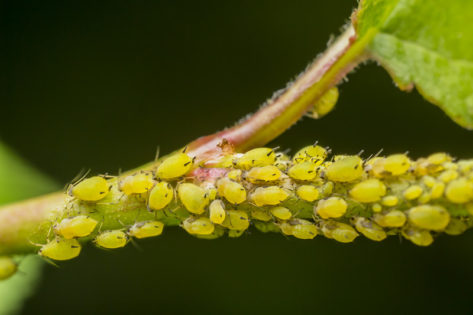
Aphids are tiny soft-bodied insects—typically no more than 1/8 inch long—that come in nearly every color: green, white, yellow, red, brown, even black.
They usually hang out:
- On tender new growth
- In clusters on stems and leaf undersides
- Near the top of plants where the sap is sweetest
If you see a bunch of tiny pear-shaped insects huddled together like they’re plotting something… that’s them.
How Aphids Affect Your Hydroponic Garden
Aphids are sap suckers. They pierce the plant tissue and pull nutrients right out of your leaves and stems.
Signs of aphid damage include:
- Curled or distorted new leaves
- Yellowing or wilting foliage
- Stunted growth
- Sticky residue on leaves (this is “honeydew”)
- Sooty mold growing on honeydew in worse cases
And unfortunately aphids reproduce ridiculously fast. A small colony can silently become a big problem in just a week.
Honeydew: An Open Invitation for More Problems
Aphids excrete a sugary waste called honeydew, which:
- Attracts ants
- Encourages mold
- Makes everything sticky
Interesting fact: ants actually farm aphids, protecting them like tiny livestock in exchange for honeydew.
How To Get Rid of Aphids in Hydroponics
Let’s walk through the best beginner-friendly treatments.
1. Soapy Spray (Best for Mild Infestations)
A simple soapy spray is often enough to knock out early colonies.
You can use:
- Store-bought insecticidal soap, or
- DIY mix: a few drops of mild liquid soap in a spray bottle of water
Spray the tops and undersides of leaves. The soap breaks down the insect’s protective coating and suffocates them.
🌱 Tip: Avoid dish soaps with degreasers or fragrances—those can damage plants.
 | My Top Pick | 11,800+ Reviews |
2. Neem Oil (Organic & Plant-Safe)
Neem oil is a classic natural pest control option that works extremely well in hydroponic gardens.
To use:
- Mix neem oil with water (follow bottle instructions)
- Add a tiny splash of mild soap to help it emulsify
- Spray all plant surfaces weekly until pests are gone
Neem disrupts the aphid life cycle, making it harder for them to feed and reproduce.
 | My Top Pick | 2,400+ Reviews |
3. Azamax (For Heavier Infestations)
If things have gotten out of hand, Azamax is your step-up option. It uses a concentrated compound derived from the neem tree and pairs well with neem oil treatments.
How it helps:
- Works as a foliar spray
- Interferes with feeding and growth
- Safe for most edible plants
Many growers use Azamax + neem oil as a two-part knockout combo.
 | My Top Pick | 1,900+ Reviews |
4. Introduce Ladybugs (Fun & Highly Effective)
Releasing ladybugs into your indoor garden is both effective and incredibly cool.
Ladybugs and their larvae love aphids and will happily clean the infestation for you. Just know:
- They work best inside a grow tent
- They may wander without containment
- Releasing them is more successful at night when lights are off
This is one of the most natural (and entertaining) pest control options.
How To Prevent Aphids in Your Indoor Hydroponic Garden
Aphid prevention is much easier than aphid cleanup. Here’s what keeps them from sneaking in:
1. Inspect New Plants Before Bringing Them Inside
Most aphids hitchhike from outdoor plants or garden store additions. Look closely at:
- Undersides of leaves
- New growth tips
- Stems near nodes
Quarantine any plants that are being introduced and give them a soap spray before bringing them into your garden.
2. Grow From Seed or Clone From Your Own Plants
This drastically reduces the chance of bringing pests into your system. By expanding your garden with the plants that are already growing in your garden, you won’t need to introduce plants from the outside that may be infested.
3. Use a Grow Tent
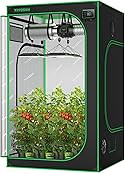
If your garden is out in the open, you’re going to eventually see some pests in your garden. A grow tent acts as a physical barrier, limiting opportunities for pests like aphids, spider mites, or whiteflies to get in.
Related 🔗: Check Out My Vivosun 4×4 Grow Tent Review
 | My Top Pick | 28,500+ Reviews |
4. Keep Up With Routine Garden Checks
Quick weekly plant inspections help you catch pests early—when treatment is easy.
Conclusion
Aphids may be annoying, but they don’t have to be a death sentence for your hydroponic garden. With early detection and the right treatment—soapy spray, neem oil, Azamax, or even an army of ladybugs—you can stop them before major damage occurs.
Check your plants often, act quickly, and you’ll keep your system happy, healthy, and pest-free.



I have an aphid infestation that keeps coming back. I spray with soapy water and have even thrown out the whole infested pant, washed out the container with hot soapy water and waited over a month before replanting. First infestation came after placing a soil plant next to my hydroponics for a few days. Every time I try to grow cilantro or arugula they pop up out of nowhere. Where could they be hiding for over a month without plants to feed on?
Hey Elizabeth!
My guess would be they aren’t hiding for a month and instead finding their way in. I would recommend using a grow tent and not exposing your garden to outside plants to reduce your chances of pests making it in.
It’s interesting they are attacking your cilantro as I’ve read it’s a good crop to grow to deter them. You may have to step up the attack a notch with some neem oil or if you have a large garden, lady bugs.
I am struggling with an aphid infestation in our basement hydroponic garden. we tried neem oil, washing plants etc. we got rid of the cucumber plant that was infested and now they are in my lettuce. do I dump everything and start over? how do I prevent them? we have no plants coming in from outside. it is February in New England. Just us going into the basement.
we currently have strawberries, lettuce, basil, cilantro, and on the other side of the room tomatoes. I did\tched the cucumbers.
If you have a lot growing that isn’t yet affected then I would consider removing the plants that are. In my opinion, I would rather have to restart the lettuce than the other types of plants. If some of the remedies you’re talking about using are not working I may try something a little more like Azamax or releasing some live lady bugs in your basement.