


You’ve made it to the fruiting stage of hydroponics—the prize is in sight. Your plants have pushed through veg, made it through flowering, and now it’s finally time for them to turn those flowers into something that you can actually eat.
At this point your job is to support fruit growth and ripening:
- Keep nutrients balanced
- Watch water levels
- Add key supplements if needed
- And as always, maintain pH
Here’s what you can expect and how to give your plants what they need.

Quick Guide: Fruiting Stage Essentials
- Same Bloom Nutrients, Different Focus
Keep using your bloom formula, just make sure levels are adjusted for fruiting. - Monitor Water Use Closely
Fruiting plants drink a lot—especially if outdoors in hot weather. - Support Heavy Fruits
Add trellises, clips, or netting so branches don’t snap under the weight of fruits. - Add Cal-Mag Supplement if Needed
Helps prevent issues like blossom end rot in tomatoes and peppers. - Keep an Eye on Ripening
Correct light, temperature, and nutrition help fruit fully color up and taste better.
What to Expect During the Fruiting Stage
Your hydroponic plants have flowered, you’ve pollinated (or nature did it for you), and now you’re in the patience-testing part of the grow.
Here’s what you’ll see:

- Flowers start to drop petals
One day you’ll check your plants, gently touch a flower, and the petals fall away. That’s normal. Underneath, you’ll see a tiny baby fruit where the flower once was. - Fruit begins to swell
Over the next few days and weeks, that tiny nub grows into a recognizable tomato, pepper, cucumber, strawberry, etc. - Water use ramps up
As fruits size up, plants pull more water and nutrients from the reservoir.- Check your water level more often
- Top off with fresh nutrient solution or water as needed
This is especially important in outdoor systems, where fruiting often lines up with the hottest months of the year. Heat + heavy fruit growth = thirsty plants.
Nutrient Needs During the Fruiting Stage
Nutrient-wise, the fruiting stage is very similar to the flowering stage:
- You’re still using a bloom-focused nutrient
- The formula is lower in nitrogen and higher in phosphorus and potassium
- The big difference now is consistency and slight adjustments in strength to match the plant’s demand
In other words, you don’t usually switch to a totally different product for fruiting—
you just keep bloom nutrients steady and add support where needed.

Recommended One-Part Nutrient Regimen for Fruiting
If you’re a fan of keeping things simple, stick with a one-part bloom nutrient.
A solid option:
One-Part Bloom Nutrient (Superthrive Bloom)
For those looking for a one-part solution, I recommend SUPERthrive (formerly Dyna Gro).
- Use it when you switch to the flowering stage
- Continue using it through the fruiting stage
- It’s designed to support both flowers and fruit development
How to use during fruiting:
- Start fruiting with a fresh reservoir mixed at the label’s bloom rate.
- Maintain pH (usually around 5.8–6.2 for most hydroponic fruiting crops).
- Watch your plants:
- If fruits are small and growth is pale, you may be a bit light on nutrients.
- If tips are burning and leaves are very dark, you’re probably too strong.
Recommended Multi-Part Regimen for Fruiting
If you’re already using a multi-part nutrient—or want to better tailor your nutrients to your crop—the General Hydroponics Flora Series is the perfect go to.
3-Part Nutrient System (GH Flora Series)
The Flora Series (FloraGro, FloraMicro, FloraBloom) can be customized for any growth stage, including fruiting.
- During fruiting, you’ll usually:
- Reduce FloraGro (lower nitrogen)
- Keep FloraMicro for micronutrients
- Emphasize FloraBloom to support fruit development and quality
Just follow the manufacturer’s feed chart for the fruiting/late bloom stage, then:
- Mix a fresh reservoir according to the fruiting recipe.
- Start at or just under full strength if your plants are sensitive.
- Adjust based on how your leaves and fruits respond over the next week.
Helpful Supplements During the Fruiting Stage
If you haven’t been using supplements up to this point, the fruiting stage is a smart time to consider them—especially calcium and magnesium.
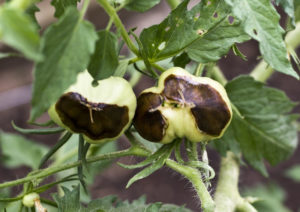
Some fruiting crops are especially prone to issues if calcium or magnesium run low:
- Tomatoes and peppers are famous for:
- Blossom end rot (sunken, dark spots on the bottom of fruits)
- General stress when calcium is inconsistent
- Peppers can also show magnesium deficiency (yellowing between leaf veins, especially on older leaves).
I recommend adding a supplement like CALiMAGic or CAL-MAG to your nutrient regimen to prevent blossom rot and other deficiencies.
 | My Top Pick | 9,000+ Reviews |
Water, Support & Ripening Tips
By now your plants are carrying some serious weight. A few extra checks can save you headaches:
1. Check Water Levels Often
- Fruiting plants pull more water and nutrients
- Don’t let your pump run dry or roots sit half-exposed
- Top off daily and cool reservoir in hot weather if needed
2. Support Heavy Fruits
- Use trellis netting, stakes, clips, or string to support branches
- Prevents bending, breaking, and stress on the plant
3. Help Fruits Ripen Evenly
- Make sure fruits get enough light and airflow
- Avoid extreme temperature swings
- Don’t drastically change nutrient strength late in the game—gentle, consistent is better
FAQs About the Fruiting Stage in Hydroponics
How long does the fruiting stage last?
It depends on the plant and variety, but many hydroponic fruiting crops spend several weeks to a couple of months in the fruiting stage—from tiny fruit set to full ripeness.
Do I need a different nutrient than I used for flowering?
Usually no. Most growers use the same bloom formula for both flowering and fruiting. The focus is on:
- Keeping levels consistent
- Possibly making small adjustments in strength
- Adding Cal-Mag if you’re growing calcium-hungry plants like tomatoes and peppers
Why are my fruits small or not filling out?
Common reasons:
- Not enough light
- Nutrient levels too low (or wildly inconsistent)
- Environmental stress (too hot, too cold, or big swings)
- Plant was kept too small in veg and doesn’t have enough leaf mass to “fuel” big fruits
What causes blossom end rot in hydroponic tomatoes and peppers?
Blossom end rot is linked to:
- Calcium issues (not enough available calcium or uneven uptake)
- Inconsistent watering or rapid swings in EC
In hydro:
- Use a Cal-Mag supplement if your water is soft or you see early signs.
- Keep reservoir levels, EC, and temperature stable.
Should I lower nitrogen even more during fruiting?
You generally want lower nitrogen in bloom/fruiting than in veg, but not zero. Too little nitrogen can cause:
- Premature yellowing
- Weak plants that can’t support fruit
Stick close to your nutrient brand’s bloom/fruiting recipe, and only tweak nitrogen if you see clear signs your plants need it.
Other Stages Of Hydroponic Growth Guides
The Vegetative Stage Of Hydroponics
The Fruiting Stage Of Hydroponics
Final Thoughts
When you reach the fruiting stage of hydroponic gardening, you’re in the home stretch—but not at the finish line just yet.
To get the best harvest:
- Keep running your bloom nutrients, adjusted to the plant’s needs
- Monitor water levels closely as fruits size up
- Add Cal-Mag support for calcium-hungry crops
- Keep the environment steady so fruits can grow and ripen properly
Do that, and you’ll turn all that veg and flower work into actual, tasty produce you can be proud of.



Even with the larger plants, i.e. Tomato, do you clean out the reservoir weekly, during its fruit bearing stage? And what is the recommended pruning of tomato plants? Just learning, have not done anything yet. Also. Do the tomato plants need bee activity to pollinate?
I’m guessing you’re talking about using DWC? It depends on the size of the reservoir, but I would recommend doing a nutrient change at least every couple of weeks no matter the stage of growth. Here’s a link to my article about growing hydroponic tomatoes.
I have Brandywine tomatoes and they have blossom end rot. Using Hydroponic Maxi Bloom while in blossom and current fruiting stages. How many calcium citrate with D3 tablets should I use in 20 gallon hydro. container and how often?
I’m not familiar with those tablets but I do have this article on solving blossom end rot.