


When most people think of garden fans, they picture cooling off a hot grow room. But wind does far more than just make plants feel like they’re on vacation.
In nature, air movement is essential for stronger plants, better pollination, and fewer problems. It’s also essential for your hydroponic system.
Whether you’re growing hydroponically in a tent or running a larger indoor setup, a small fan can make a big difference. Here’s how!

1. Reduces Mold and Bacteria Growth
Hydroponic systems often have high humidity—a paradise for mold, mildew, and bacteria. A fan keeps air moving, helping moisture evaporate before it becomes a problem.
🌱 Pro Tip: If you notice fuzzy white spots on leaves or the top of your grow medium, it’s time to increase airflow or add a small oscillating fan near canopy level.
Related 🔗: Here’s how to Stop Gray Mold After It Starts
2. Helps With Pollination
Indoor gardens lack the bees, bugs, and breezes that normally move pollen. Fans help simulate wind, shaking pollen loose and spreading it across flowers. This is especially useful for self-pollinating plants like tomatoes and peppers.
If you’re growing fruiting crops, a steady, gentle breeze from a fan can increase your harvest.
🌱 Pro Tip: For plants that need cross-pollination (like strawberries or cucumbers), you’ll still need to hand-pollinate or use a small brush — but a fan makes the process easier and more effective.
Related 🔗: 3 Methods For Hand Pollinating Indoor Flowers
3. Deters Pests
Stagnant air attracts uninvited guests — fungus gnats, spider mites, and whiteflies love still spaces. A garden fan makes it harder for pests to land, reproduce, and spread, reducing infestations before they start.
🌱 Pro Tip: Combine airflow with yellow sticky traps to get a heads up on if pests arrive.
Related 🔗: Stop These 5 Most Common Hydroponic Pests
4. Strengthens Plant Structure
In nature, plants constantly sway with the wind. That movement signals them to grow stronger stems and roots. Without it, indoor plants can get “lazy” — tall, weak, and prone to toppling once fruit forms.
Fans gently flex the stems, triggering a natural response called thigmomorphogenesis — essentially plant strength training.
🌱 Pro Tip: Use an oscillating fan so air shifts direction every few seconds. Think of it as your plants’ personal trainer..
5. Keeps Garden Temperature Even
Grow lights and pumps create heat pockets, especially in enclosed tents. Fans circulate that warm air so temperatures stay consistent from top to bottom.
This balance helps prevent hot spots near your lights and cold, damp corners near your reservoir.
🌱 Pro Tip: Mount one fan at canopy level and another near the floor for best circulation.
6. Improves Oxygen and CO₂ Exchange
Plants breathe through their roots and their leaves. During photosynthesis, they take in carbon dioxide and release oxygen. During respiration, they do the opposite.
A fan constantly brings in “fresh air,” ensuring your plants always have access to both gases when needed. This circulation keeps the plant canopy oxygen-rich — a key to faster, healthier growth.
7. Prevents Nutrient Imbalances From Stagnant Zones
Poor air movement can lead to “microclimates” — small areas of trapped humidity and warmth where pH and nutrient uptake fluctuate. Adding fans keeps environmental conditions uniform across your grow area, reducing stress on your plants and keeping nutrient absorption consistent.
8. Creates a More Natural Growing Environment
The best indoor gardens mimic nature. A gentle, steady airflow helps plants behave as they would outdoors — sturdier, healthier, and better prepared for all three stages of growth: vegetative, flowering or fruiting stages.
Plus, it keeps the space more pleasant for you when you’re tending to your plants.
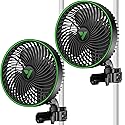 | My Top Pick | 3,100+ Reviews |
Tips For Using A Fan In Your Hydroponic Garden
To make the most of a fan-based system, here are some tips:
Fan placement: Use both “circulation fans” (to move air across the canopy) and exhaust / intake fans (to bring fresh air and remove stale air).
Avoid blasting plants directly: Too strong an airflow can damage leaves or dry them excessively. Use oscillating fans or indirect airflow to move air gently.
Run continuously (or mostly so): Air conditions change minute to minute. Running fans nearly 24/7 helps maintain stability.
Watch fan sizing (CFM) & ducting efficiency: An undersized fan won’t move enough air; inefficient ducting or filters can reduce airflow.
Maintenance: Clean fans, check for dust or debris, maintain bearings, and ensure filters are clean to preserve airflow.
Related Guides
- Common Hydroponic Problems and How To Fix Them
- How To Set Up a Grow Tent for Hydroponics
- Hydroponic Cleaning & Hygiene Best Practices
FAQ: Using Fans in Indoor Hydroponics
Do all indoor gardens need fans?
Yes — even small hydroponic setups benefit from airflow. Fans help with humidity, mold prevention, and temperature balance.
How many fans should I use in my grow room?
For small grow tents, one oscillating clip fan is often enough. Larger setups should have one per 3–4 feet of grow space for full coverage.
Should fans run 24/7?
It depends on your setup. Most growers run them whenever lights are on to simulate daytime breezes and maintain airflow around warm equipment.
Can a fan dry out my plants?
If your fan is too close or too strong, yes. Aim for gentle leaf movement, not windburn. Adjust fan distance and speed as needed.
Takeaway
Adding a fan to your indoor garden is one of the cheapest upgrades with the biggest payoff.
Better airflow means stronger plants, fewer pests, and less mold — all while keeping your garden more balanced and efficient.
So before you buy another grow light or nutrient bottle, start with a breeze. Your plants will thank you.


