


LED grow lights are the go-to choice for hobby hydroponic gardeners—and for good reason. They’re energy-efficient, long-lasting, run cooler than older lighting, and today’s models grow plants extremely well.
The downside?
There are too many options, and the specs can feel confusing if you’re just starting out.
This guide breaks everything down in plain English so you can confidently choose the right LED grow light for your hydroponic setup—without overthinking it.
Quick Answer: What LED Grow Light Should I Buy?
If you want the short version:
- Match the light’s coverage area to your grow space
- Ignore “equivalent watt” marketing
- Choose a full-spectrum white LED
- Pick a fixture style that fits your space and budget
- Buy from a brand with real reviews and a warranty
How Many LED Grow Lights Do I Need?
This depends on:
- Your grow space size
- What you’re growing
Forget the Old “Watts Per Plant” Rule
Older advice like “40 watts per plant” doesn’t work anymore.
Modern LED grow lights vary widely based on:
- LED chip quality
- Driver efficiency
- Fixture design
- Light spread
Two lights with the same wattage can perform very differently.
What to Do Instead (Much Easier)
Use the manufacturer’s recommended coverage area.
You’ll usually see something like:
- Veg coverage: 3 × 3 ft
- Flower coverage: 2 × 2 ft
This is far more useful than watt numbers.
Beginner note: Manufacturers often list a smaller flowering/fruiting footprint because plants need higher light intensity during those stages—not because the light changes.
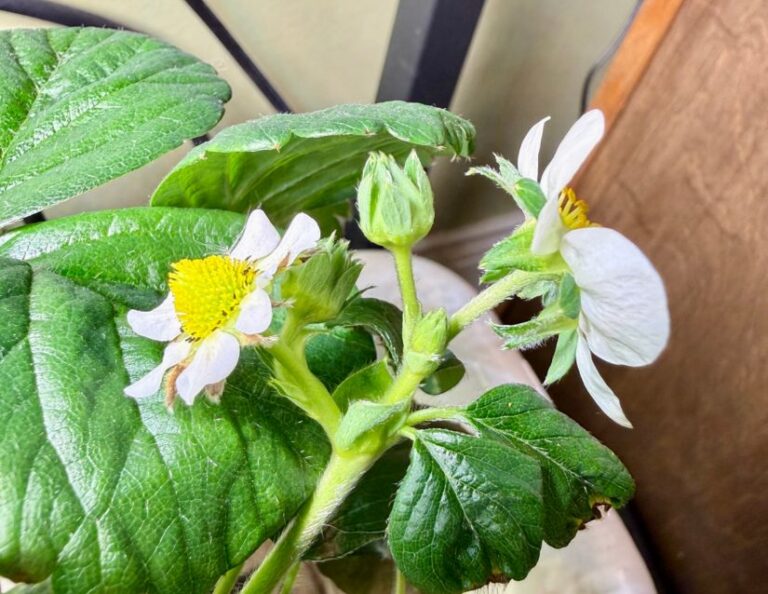
If you plan to grow fruiting plants (tomatoes, peppers, strawberries), size your light for flower coverage, not veg.
One Big Light or Multiple Smaller Lights?
Both can work.
- Multiple smaller lights can improve light uniformity and give you flexibility
- A well-designed bar-style fixture can evenly cover a space on its own
For most beginners:
- small setups → 1 light is fine
- Medium setups → 2 lights often give better coverage
Personally, I like to use more than one light to prevent plants from blocking light from others.
The 3 Main Types of LED Grow Lights
1. Box-Style LED Grow Lights

These are enclosed lights with built-in fans.
Pros
- Affordable
- Strong output for the price
- Often include daisy-chain power
Cons
- Fan noise
- More moving parts
- Less even light spread
Best for:
Budget setups, small tents, closets, first-time growers
2. Panel / Board-Style LED Grow Lights

These are the types of grow lights that I prefer to use in my hydroponic gardens. These use flat boards with white LEDs and passive cooling.
Pros
- Silent (no fans)
- Very efficient
- Even light distribution
- Lower heat directly under the light
Cons
- Higher upfront cost
- Limited expandability on some models
Best for: Indoor growers who want quiet, efficient, low-maintenance lighting
 | My Top Pick | 4,900+ Reviews |
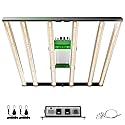
3. Bar-Style LED Grow Lights
The newest and most advanced style of grow lights.
Pros
- Excellent uniformity
- Strong penetration for larger plants
- Very efficient
- Modular designs
Cons
- More expensive
- Overkill for very small setups
Best for:
Larger grow spaces, long-term hobbyists, serious yields
 | My Top Pick | 1,300+ Reviews |
Grow Light Overview
| Light Type | Noise | Cost | Best For |
|---|---|---|---|
| Box | Yes | $ | Small budget setups |
| Panel | Silent | $$ | Quiet indoor grows |
| Bar | Silent | $$$ | Larger spaces |
Do Veg & Bloom Switches Matter?
Not really anymore.
Most modern LED grow lights use full-spectrum white light, which works for:
- Seedlings
- Vegetative growth
- Flowering and fruiting
Older “blurple” lights relied on switches. Today, one quality full-spectrum light handles the entire grow cycle.
Light Intensity (PPFD) — The Simple Version
PPFD measures how much usable light actually reaches your plants.
You don’t need to obsess over numbers, but having rough targets helps avoid common mistakes.
Beginner-Friendly PPFD Ranges
- Seedlings / clones: 100–300
- Leafy greens & herbs: 200–500
- Fruiting plants: 500–900+
You don’t need a PAR meter to succeed—but these ranges explain why light height and dimming matter.
 | My Top Pick | 2,800+ Reviews |
How High Should I Hang My LED Grow Light?
This is one of the most common beginner questions.
Simple Rule
- Start higher and/or dimmed
- Lower gradually as plants grow
Most LED grow lights include hanging height recommendations. Use them.
Watch your plants:
- Stretching → light too far away
- Bleached or curled leaves → light too close
Plants tell you everything if you look.
How Many Hours Per Day Should Grow Lights Run?
Light schedule matters just as much as light strength.
General Guidelines
- Leafy greens & herbs: 14–18 hours/day
- Fruiting plants: 12–14 hours/day indoors
Running lights 24/7 rarely improves growth and can stress plants.
A simple outlet timer solves this.
Heat, Airflow, and Environment
LEDs run cooler than older lights—but they still produce heat.
Good airflow:
- Prevents heat buildup
- Reduces disease risk
- Helps plants transpire properly
Even a small clip fan can make a big difference.
Related 🔗: 8 Benefits of Using a Fan in Your Hyroponic Garden
What to Look for When Buying an LED Grow Light
1. Ignore “Equivalent Watts”
Marketing terms like:
- “1000W equivalent”
- “Replaces a 600W HPS”
…are not helpful.
Look for:
- Actual power draw
- Coverage area
- Real-world results
2. Cost vs Value
You don’t need the most expensive light to grow healthy plants.
Many mid-range LEDs:
- Grow leafy greens perfectly
- Handle herbs easily
- Support small fruiting plants
Check for sales and coupons—mid-tier lights often drop into budget territory.
3. Warranty & Support
A solid light should include:
- 2–5 year warranty
- Clear replacement policy
- Responsive support
Good warranties usually signal confidence in build quality.
4. Reviews (Read Them Correctly)
When checking reviews:
- Focus on recent reviews
- Look for actual grow photos
- Ignore complaints clearly caused by user error
Healthy plants in photos are one of the strongest green flags.
Common Beginner LED Grow Light Mistakes
- Buying based on watt hype
- Oversizing lights for tiny spaces
- Hanging lights too high and never adjusting
- Running lights 24/7
- Ignoring airflow and heat
Every one of these is fixable.
Frequently Asked Questions About LED Grow Lights for Hydroponics
Do I need a PAR or PPFD meter to use LED grow lights?
No. Most beginner hydroponic gardeners do not need a PAR or PPFD meter.
Following the manufacturer’s coverage recommendations, using proper hanging height, and watching how your plants respond is usually enough. A meter can be helpful later, but it’s not required to grow healthy plants.
Can LED grow lights burn my plants?
Yes—if they’re too close or too intense.
Signs of light stress include:
- Bleached or pale leaves
- Curling or crispy edges
- Stunted growth
Start higher or dimmed and lower the light gradually as plants grow.
Can I use one LED grow light for multiple plants?
Yes, as long as all plants fit within the light’s effective coverage area.
Overcrowding plants under a single light often leads to uneven growth. It’s better to give fewer plants proper light than too many plants insufficient light.
How far should LED grow lights be from seedlings?
Most seedlings do well with LED lights 18–30 inches above the canopy, depending on the light’s strength and whether it’s dimmed.
If seedlings stretch, lower the light slightly. If leaves bleach, raise it.
Can I leave LED grow lights on 24 hours a day?
It’s not recommended. In addition to being hard on the light, most plants benefit from a dark period.
For hydroponics:
- Leafy greens: 14–18 hours/day
- Fruiting plants: 12–14 hours/day
More light isn’t always better.
Do full-spectrum LED grow lights really work for all plant stages?
Yes.
Modern full-spectrum white LED grow lights provide the wavelengths plants need for:
- Vegetative growth
- Flowering
- Fruiting
You do not need separate veg and bloom lights.
How long do LED grow lights last?
Most quality LED grow lights are rated for 30,000–50,000 hours.
That’s several years of daily use. Build quality, cooling, and driver quality matter more than brand name alone.
Final Thoughts
Choosing an LED grow light doesn’t have to be complicated.
Focus on: Coverage, consistency, and plant response
You don’t need the “best” light—you need the right light for your space and goals.



I put the light on but it does not stay on. What can I do?
Hey Diane, sounds like you’re having an electrical issue, that would be out of my league lol. To schedule my light cycle I use a timer.