


Bell peppers aren’t the easiest hydroponic crop — but once you learn the ropes, they’re one of the most rewarding. If you’ve already grown hydroponic lettuce or tomatoes, peppers are the perfect next step. This guide covers everything from germination and system choice to pollination and harvest.

Quick How-To: Growing Hydroponic Bell Peppers
- Start seeds warm: Germinate in Rapid Rooter or rockwool with a heat mat (~80°F). Sprouts in 7–14 days.
- Transplant to system: Move into 5-gal DWC buckets or Dutch buckets. Add stakes/cages for support.
- Dial in conditions: 65–75°F day, 55–65°F night; space 18–24″; pH 5.5–6.5.
- Light them up: Provide 14–18 hrs/day of strong light LED grow light.
- Feed in two stages: Veg = more Nitrogen; fruiting = more phosphorus & potassium. Increase strength gradually.
- Pollinate indoors: Gently brush flowers with a cotton swab/paintbrush every couple of days.
- Harvest: Pick 50–80 days after sprout; color up for sweeter flavor.
🌱 Pro Tip: Keep a simple grow log: date, pH, EC/PPM, light height, and plant notes. It speeds up troubleshooting.
Best Bell Pepper Varieties for Hydroponics
Most sweet bell pepper varieties grow well in hydroponics.
A great beginner choice is California Wonder (reliable, classic green-to-red). Also consider Keystone Resistant Giant and Big Bertha.
Space saver: Choose compact or medium-height cultivars if your tent or shelf space is tight.
Getting Hydroponic Bell Peppers Started
Germinating Seeds
- Use Rapid Rooter or rockwool plugs; keep moist and warm around 80°F (heat mat helps).
- Expect germination in 7–14 days depending on variety.
Related 🔗: How to germinate seeds
Cloning Bell Peppers
Cloning produces a plant identical to the parent. Many growers succeed with oxygenated water + Rapid Rooter cubes; other cloning methods also work well.
Related 🔗: How To Clone a Plant Using Hydroponics
Transplanting from Soil
Transplanting a nursery pepper skips the seedling stage but costs more. Carefully rinse soil from roots and transition gently into your hydro system.
Best Hydroponic Systems for Bell Peppers
Peppers get tall and heavy when loaded with fruit, so choose systems that support weight.
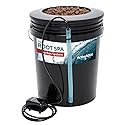
- 5-gal DWC buckets: Simple, affordable, great for single plants. (here’s how to build one)
- Dutch buckets: Excellent for multiple plants; easy to stake or cage.
 | My Top Pick | 1,400+ Reviews |
Support required: Add stakes, cages, or trellis lines early to prevent snapped stems under pepper weight.

Temperature Requirements
- Day (lights on): 65–75°F
- Night: 55–65°F (a ~10°F drop helps fruiting)
Too hot? Flowers may drop instead of setting fruit. This is called blossom drop. For more info check out my article on how to cure blossom drop in both peppers and tomatoes.
Plant Spacing
Give peppers room for airflow and light penetration: space plants 18–24 inches apart. Pinch/prune to encourage branching and manage height.
Light Requirements
- Photoperiod: 14–18 hours/day (peppers are day-neutral).
- Type: LED or HID. Fluorescents are often too weak for fruiting peppers.
- Placement: Keep lights close enough for intensity without scorching leaves.
Recommended pH
Maintain nutrient solution between pH 5.5–6.5. Check daily for consistent uptake.
 | My Top Pick | 32,000+ Reviews |
Nutrients for Hydroponic Bell Peppers

Vegetative Stage
- Use a nutrient higher in nitrogen (N) with moderate P & K (e.g., a simple one-part “Grow” formula).
 | My Top Pick | 650+ Reviews |
Flowering & Fruiting
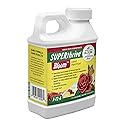
- Reduce N; increase phosphorus (P) and potassium (K) to support blooms and fruit set (e.g., “Bloom” formula). Silica supplements (e.g., potassium silicate) can strengthen stems.
| My Top Pick | 650+ Reviews |
Advanced growers may prefer multi-part programs (e.g., three-part series) for finer control.
Go easy: Start with a lighter EC/PPM than the label’s max and increase gradually to avoid nutrient burn.
Pollinating Indoor Bell Peppers
 | My Top Pick | 3,200+ Reviews |
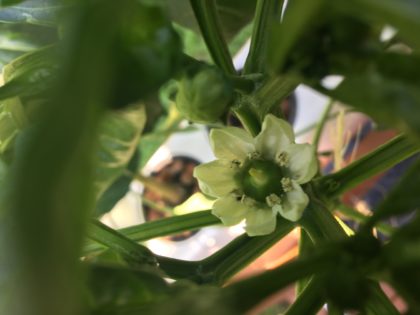
Peppers are self-pollinating, but indoor plants often need help. Gently brush inside each flower with a cotton swab or small paintbrush. Repeat every couple of days while flowers are open for better fruit set.
Harvesting Hydroponic Bell Peppers
- Timeline: Typically 50–80 days after sprouting (variety dependent).
- Flavor: Green = earlier and sharper; red/orange/yellow/purple = sweeter and fully mature.
- Yield tip: Harvest regularly to encourage continued production.
FAQ: Hydroponic Bell Peppers
What’s the best hydroponic system for bell peppers?
5-gallon DWC buckets and Dutch buckets are top choices because they support taller, heavier plants and are easy to stake or cage.
Why are my pepper flowers dropping?
Common causes include high temperatures, low humidity, or inadequate pollination. Keep day temps around 65–75°F and hand-pollinate indoors.
Can I grow peppers under fluorescent lights?
Fluorescents can raise seedlings, but fruiting peppers need stronger light (LED/HID) for reliable yields.
What pH is best for hydroponic peppers?
Maintain a solution pH of 5.5–6.5. Consistency is more important than chasing a single number.
How do I prevent nutrient burn?
Start with mild EC/PPM, increase gradually, and watch leaf tips. Flush and reset if you see persistent tip burn or salt buildup.
Final Thoughts
Hydroponic bell peppers take a little more care than greens, but the payoff is big—crisp, colorful peppers grown right at home. With a supportive system, stable temps, strong light, and a simple two-stage nutrient plan, you’ll be harvesting for months.




What company in Canada is the largest that grows hydronic peppers?
Thanks
Hey Michael! I know there are many hydroponic greenhouses in Canada but I’m not quite sure which is the largest bell pepper producer.
How long does it take the bell peppers to grow once the flowering has started. The flowering on mine have started but I don’t see the peppers show up yet.
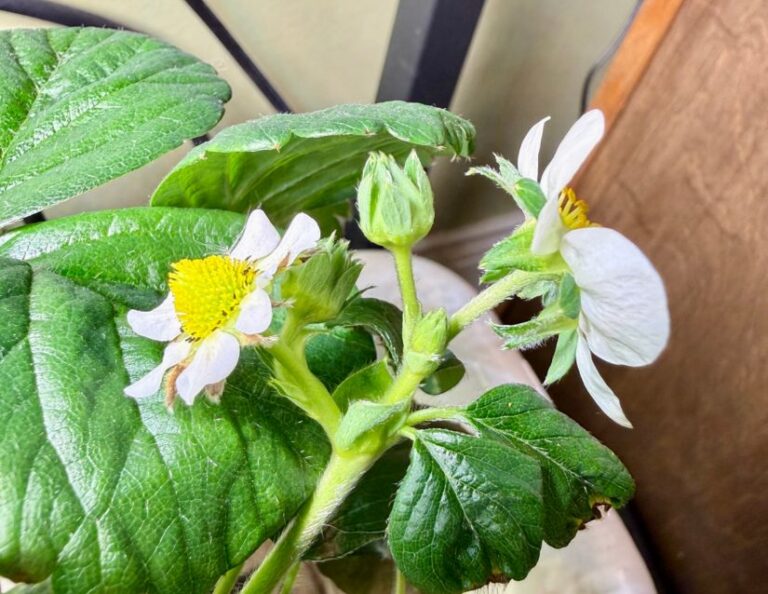
Great question. I haven’t paid to much attention to the exact time it takes for a flower and fruit. I would guess in a little over a week after pollination you should see the flower start turning to fruit. The petals will brown first, then fall off revealing the butt of the pepper.
it helps me a lot thankx