


When starting a hobby hydroponic gardening it’s helpful to know what to expect ahead of time. Here are the 8 stages of a hydroponic garden!
The Planning Stage
While often overlooked, the planning stage of your hydroponic garden is just as important as every other stage. This is where you decided what you grow and how you’re going to grow it.
There are several different types of hydroponics systems, some work better for various types of vegetables compared to others.
 This is also a good time to get all the supplies you will need during your grow. It’s better to get the supplies, nutrients, and supplements you think you’ll need to have them on hand when ready.
Time to Decide:
-
What you’ll grow: Lettuce and herbs are quick wins; tomatoes and peppers are more advanced.
-
Which system fits best: Kratky jars for greens, DWC or NFT for larger fruiting crops.
-
What supplies you need: Nutrients, pH meter, lights, net pots, and growing medium.
Propagation
Now that you have things planned out, it’s time for the propagation stage of hydroponics. Depending on what you’re growing you will have to decide between starting from seeds or starting with clones.
There are several benefits to starting your hydroponic garden with clones. It’s typically easier and takes less time to get things going when using clones. You also know that the plant is going to turn out like the plant you cloned it from.
Sometimes it’s not possible to start with clones or it’s easier to germinate seeds. Seeds typically take anywhere from 5-20 days to germinate depending on the variety of the plant.
Whether starting with clones or germinate seeds I would recommend using rapid rooter starter plugs.
 | My Top Pick | 12,700+ Reviews |
Time to bring your plants to life
- Seeds vs. clones: Seeds are cheaper, clones are faster and predictable.
- Starter plugs: Rapid Rooters are beginner-friendly and widely used.
- Germination window: 5–20 days depending on plant type.
👉 Related: [How to Start Seeds for Hydroponics]
The Seedling Stage
Now that your seeds have sprouted or clones have rooted, you’re ready for the seedling stage of hydroponic gardening.
It’s important that you don’t go full strength on the nutrient solution and lighting at this point. The main goal of the seedling stage is to establish a healthy root system.
The light source shouldn’t be too close or too intense.

Start your hydroponic seedlings off at a diluted nutrient strength, around 25%, and gradually increase it over the next few weeks.
Seedling Tips:
- Nutrients: Start at 25% strength, gradually increasing each week.
- Lighting: Keep it soft and not too close. Stretching = light too weak.
- Roots first: This stage is about building a healthy foundation.
The Vegetative Stage
The long-awaited vegetative stage, also called the veg stage, has now arrived. The vegetative stage of hydroponics is a time for the rapid growth of the stem, branches, and leaves.
Vegetative nutrients are rich in nitrogen, which is exactly what’s needed for the type of growth I mentioned above.
If you’re growing leafy greens or herbs that we don’t need to flower in order to harvest, then this is the only stage of growth your plants will need to be in and you can jump to the harvest.

Vegetative Quick Tips
- Nutrients: Use a nitrogen-rich vegetative formula.
- Training: Add supports or prune early if needed.
- Watch for pests/algae: Easy to prevent if caught early.
Related 🔗: The Vegetative Stage of Hydroponics
The Flowering Stage
If you’re growing a plant that produces fruit, then you’re now entering the flowering stage of hydroponics. This means it’s time to change your light hours to shorter duration and your nutrient regimen to bloom.
Some plants will start producing flower buds after a certain timespan (dependent on the plant variety) while others will start producing flowers after a change in the daylight light hours they receive.
In order for flowers to produce fruit, they will need to be pollinated. If your hydroponic garden is outside, you benefit from the wind and bugs helping with pollination. If your hydroponic garden is indoors, you will have to hand pollinate flowers. For more on hand pollination, check out my article covering the 3 methods of hand pollination.
Even when gardening outside it never hurts to hand pollinate your flowers.
 | My Top Pick | 3,200+ Reviews |
Flowering Quick Tips
- Nutrient switch: Bloom formula with more phosphorus & potassium.
- Light adjustment: Indoors, switch to a 12/12 cycle.
- Pollination: Outdoors, insects handle it. Indoors, use hand pollination (brush, shaking, or fan).
Related 🔗: The Flowering Stage of Hydroponics
The Fruiting Stage
If your flowers are well pollinated then their petals will soon drop and you will see the butt of future fruit. Growing plants that fruit and flower can sometimes be tricky. Even with pollination flowers can just fall and produce nothing at all.
In order to produce quality successful produce: flowers must be well pollinated, the plant should have the correct amount of nutrients and supplements and there shouldn’t be environmental stress.
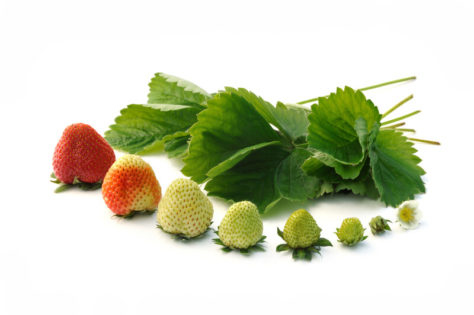
I would recommend researching if the plant growing needs more nutrients specific nutrient needs compared to other plants. For example, tomatoes and peppers are susceptible to end blossom rot which can be prevented with a little cal/mag supplement.
You don’t want to make it this far with your hydroponic garden and not reach the next stage.
Related 🔗: The Fruiting Stage of Hydroponics
Harvest Time
Finally the stage of the hydroponic garden we’ve been waiting for, The Harvest. If you’re growing plants that produce fruit, the harvest is pretty easy. When a fruit is ripe, just snip the stem with trimmers.

| My Top Pick | 56,000+ Reviews |
For plants that we harvest just leaves or shoots, there are a couple of different options when it comes to the method of harvest you can use.
You could just grow up the plant and harvest it all at one time. Sometimes this is the preferred method of harvest for greens like bibb lettuce mainly because it looks better.
If you’re harvesting a plant that you can cut and regrow such as lettuce, herbs, and broccoli, I recommend using the cut and come again method of harvesting. This allows you to extend the harvest and in some cases promotes the plant to grow even more, also increasing the yields.
Cleanup
After harvesting, the final step is the cleanup.
It’s important to clean up your hydroponic garden pretty quickly after harvest. Any exposed or decaying plant will quickly attract molds and pests. These are not only a nuisance now but their presence also increases the chances of seeing them during your next grow.
I recommend cleaning everything up after use and using a peroxide dilution as well as a little soap and water. Good cleanup helps keep your area free of pest and diseases and make the setup of your next garden that much easier and less time-consuming.
Related 🔗: How to Clean your Hydroponic System
Hydroponic Stages FAQs
How long does each hydroponic stage take?
Seeds germinate in 5–20 days, seedlings last 2–3 weeks, vegetative growth can last 3–6 weeks, flowering varies by plant, and harvest depends on crop type.
Do hydroponic plants grow faster than soil plants?
Yes—when conditions are right, hydroponic plants can grow 20–30% faster due to constant nutrient availability.
When should I switch from vegetative to bloom nutrients?
Once plants show pre-flower signs or after switching light cycles (indoors).
Do I need to pollinate if I’m only growing leafy greens?
Nope. Leafy greens and herbs don’t need pollination to harvest.


always enjoy your articles, thank so much
Thanks for the feedback Paul, it’s much appreciated! Happy you’ve found it helpful!