


Plant clones are one of the easiest ways to expand a hydroponic garden quickly. Instead of waiting on seeds, you copy a plant you already like, save money, and skip the whole “is this variety any good?” guessing game.
You can clone using simple trays and plugs, but a hydroponic cloning system makes it almost effortless. Many growers see near 100% success once things are dialed in.
Below are 5 solid hydroponic cloning systems for hobby growers, plus quick tips to help you pick the one that fits your setup and budget.
What To Look For In a Hydroponic Cloning System
Before diving into specific models, it helps to know what actually matters:
- Number of sites – How many clones do you realistically need at once?
- Method –
- Aeroponic cloners mist the stems with nutrient solution.
- DWC cloners submerge stems in aerated solution (like a mini bubble bucket).
- Heat management – Warm water can slow rooting or cause rot. Systems that run big pumps can heat the reservoir more.
- Ease of cleaning – Fewer nooks and crannies = less bio-slime, less headache.
- Noise – Air pumps hum, water pumps buzz. Worth considering if this lives in a bedroom or office.

1. CLONE KING Aeroponic Cloning Machine (36-Site)
The CLONE KING is one of the most popular aeroponic cloners on Amazon, and for good reason. It’s simple, proven, and holds enough cuttings for most hobby growers.
How it works:
This is an aeroponic cloner. A submersible pump sends nutrient solution through a spray manifold, misting the lower stems of your cuttings. The stems stay moist and well-oxygenated, which encourages fast root development.
Key details:
- Sites: 36
- Method: Aeroponic (spray manifold + misters)
- Includes:
- Reservoir with lid
- Foam inserts/collars
- Submersible 317 GPH water pump
- Spray manifold with misters
Why you might like it:
- Plenty of sites for hobby-scale cloning
- Very common system, lots of community experience and troubleshooting tips online
- Straightforward to set up and run
Things to keep in mind:
- Pump heat can slowly warm the reservoir in hotter rooms
- Aeroponics means more tiny parts to clean (misters, manifold, etc.)
Best for:
Growers who want a high-capacity, proven aeroponic cloner and don’t mind a bit of extra cleaning and pump noise.
 | My Top Pick | 1,851+ Reviews |
2. Hydrofarm OxyCLONE – DWC-Style Cloning System
The Hydrofarm OxyCLONE uses a recirculating approach instead of misting. The stems sit in the nutrient solution that is heavily oxygenated.
Personally, I like DWC-style cloners for beginners. Fewer moving parts means there’s less that can clog, crack, or fail mid-run.
Key details:
- Sites: typically 20 (depending on model)
- Method: Recirculating
- Includes:
- Reservoir with lid
- Foam inserts
- Submersible pump
- Air stone + air tubing
Why you might like it:
- No spray nozzles to clog
- Air pumps are easy and cheap to replace if needed
- Simple to understand if you’ve used a bubble bucket before
Things to keep in mind:
- Water level and cleanliness still matter a lot—slimy roots = not ideal
- Air pumps can have a low hum; place it on something soft to reduce vibration
Best for:
Beginners or anyone who wants a low-maintenance cloning setup with fewer parts to fuss over.
 | My Top Pick | 1,239+ Reviews |
3. TurboKlone Cloning System (24 or 48-Site)
The TurboKlone is another aeroponic cloner, but with a couple of nice upgrades built in.
Big standout features:
- Built-in fan that helps keep the water temperature cooler
- Curved, compact design that’s easier to clean
- The D model has a humidity dome included to reduce plant shock and keep humidity high during early rooting
Key details:
- Sites: 24 or 48, depending on the model
- Method: Aeroponic
- Includes:
- Reservoir with lid
- Foam inserts
- Submersible 317 GPH (approx.) water pump
- Spray manifold with misters
- Clear dome + integrated fan (on most models)
Why you might like it:
- Dome helps keep cuttings from wilting early on
- Fan helps fight the “pump warmed my water too much” problem
- Rounded edges and smooth interior are easier to wipe down
Things to keep in mind:
- Typically more expensive than basic cloners
- Still an aeroponic system – manifold and misters will need periodic cleaning
Best for:
Growers in warmer rooms or tighter spaces who want an aeroponic cloner with better temperature control and a dome.
 | My Top Pick | 383+ Reviews |
4. Viagrow Clone Machine (24-Site)
The Viagrow clone machine is a more budget-friendly aeroponic cloner. It does the same basic job—pumping nutrient solution through misters to spray the stems.
It’s a pretty standard design, but there’s one thing to note.
Key details:
- Sites: up to 24
- Method: Aeroponic
- Includes:
- Reservoir with lid
- Foam inserts
- Submersible 317 GPH water pump (approx.)
- Spray manifold with misters
Why you might like it:
- Budget-friendly compared to some other aeroponic systems
- All-in-one kit with rooting product included is handy if you’re just getting started
Things to keep in mind:
- Some growers report that outer sites can get less spray coverage once root systems get larger
- If you’re regularly filling all 24 sites, you may want a system with more even mister coverage or plan to rotate cuttings
Best for:
Growers who want a cheaper aeroponic cloner and aren’t always using every single site, or those just testing the waters before upgrading.
 | My Top Pick | 1099+ Reviews |
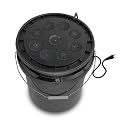
5. GrowBright OctoCloner (8-Site)
The GrowBright OctoCloner is a bit of a classic in the hydro hobby world. If you’ve been around hydroponics forums for a while, you’ve probably seen this style.
It’s a small aeroponic cloner designed for about eight clones at a time—perfect if you don’t need a ton of cuttings.
Key details:
- Sites: 8
- Method: Aeroponic
- Includes:
- Reservoir (bucket-style) with lid
- Foam inserts
- Submersible ~250 GPH pump
- Spray misters / manifold
Why you might like it:
- Great if you only need a handful of clones at a time
- Compact and easy to tuck into a small grow area
- Fewer sites = less crowding and easier access to each cutting
Things to keep in mind:
- If you’re running a bigger garden or rotating crops heavily, 8 sites may feel limiting
- Like other aero systems, misters will need regular cleaning
Best for:
Small-scale growers, test projects, or anyone who prefers a compact, simple cloner over a big 24–48 site unit.
 | My Top Pick | 1,099+ Reviews |
Do You Really Need a Cloning Machine?
You don’t have to buy a cloning machine to take clones successfully. Plenty of growers:
- Use Rapid Rooter plugs or similar grow plugs in a tray
- Add rooting gel or powder
- Keep things warm, humid, and under gentle light until roots appear
That said, a hydroponic cloner makes the process:
- More hands-off
- Faster in many cases
- Easier to scale if you’re starting lots of clones on a regular basis
If you’re trying to expand your garden or rotate crops consistently, a small cloner quickly starts to feel worth it.
Related 🔗: How To Build A Cheap DWC Cloning Machine
Related Guides To Check Out
FAQ: Hydroponic Cloning Systems
Do I need a hydroponic cloning machine to take clones?
No. You can root cuttings in plugs, cubes, or even plain water. A cloning machine just helps speed things up, improves oxygenation, and automates a lot of the “keep it moist but not soggy” part.
Is aeroponic or DWC better for cloning?
Both work well:
- Aeroponic cloners tend to root very fast but have more parts that can clog.
- DWC/bubble cloners are simpler and easier to maintain, especially for beginners.
It mostly comes down to how many parts you want to clean and how “set-and-forget” you want the system.
How long does it take for clones to root in a cloner?
With good conditions, you’ll often see early root nubs in 5–10 days, and transplant-ready roots in about 2–3 weeks. Strain, temperature, and cleanliness all matter.
What size hydroponic cloner should I buy?
Ask yourself:
- How many clones do you realistically need at once?
- Do you want extra sites for backups?
Most hobby growers are happy with 8–24 sites. Larger 36–48 site units are great if you’re running multiple systems or growing for friends/family.
Do I still need rooting gel if I use a cloning machine?
You don’t have to use it, but rooting gels or powders can increase success rates and shave a bit of time off rooting. Many growers use both: a quick dip in gel, then into the cloner.
Final Thoughts
Hydroponic cloning systems are great tools for hydroponic hobbyists. They make adding or expanding your garden cheap, fast, and repeatable.
If you’re on a tight budget or just like tinkering, you can also build your own simple DWC bucket cloner for less than many of these systems cost.


