


Water pumps are one of the unsung heroes of hydroponics. When you choose the right one, your system runs smoothly and your plants stay happy. Choose the wrong one… and suddenly your garden turns into a “why isn’t this working?” mystery episode.
Here’s exactly how to choose the best water pump for your hobby hydroponic setup—without getting lost in technical jargon.
Before You Start: Not Every Hydroponic System Needs a Water Pump
A quick clarification that saves beginners a lot of confusion:
- Kratky systems do not use a water pump at all.
- Basic DWC buckets may only use an air pump—not a water pump.
- You do need a water pump for systems that move water, such as:
- Drip systems
- NFT channels
- Ebb & flow
- Vertical/tower gardens
- Most recirculating DIY setups
If your system circulates water, this guide is for you.
Quick Guide: What to Look for in a Hydroponic Pump
If you want the short version:
- ✔️ Choose a submersible pump for most hobby systems
- ✔️ Make sure the pump has enough head height (vertical lift)
- ✔️ Always buy a pump slightly stronger than you think you need
- ✔️ Match your tubing size to the pump outlet
Now let’s dive deeper.
Submersible vs. Inline Pumps: What’s the Difference?
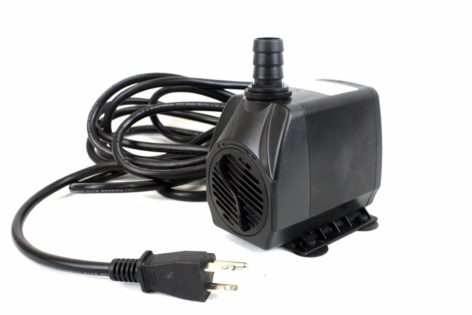
Submersible Pumps (Most Popular for Hobby Systems)
 | My Top Pick | 24,900+ Reviews |
Submersible pumps sit directly inside your reservoir and run underwater. This is the pump 99% of home hydroponic gardeners use.
Pros:
- Easy to install
- Quiet
- Inexpensive
- Great for DWC circulation, drip systems, NFT, ebb & flow, and towers
Note: Submersible pumps add a small amount of heat to the nutrient solution. For most indoor growers, this isn’t an issue.
Inline Pumps (For Larger, High-Flow Systems)
Inline pumps run outside the reservoir and are better suited for larger or hot environments.
Pros:
- Don’t add heat to the nutrient solution
- Can move more water at higher pressure
- Ideal for large or complex builds
For most hobby systems, inline pumps are unnecessary—but it’s good to know they exist.
Head Height: The Most Important Pump Metric
Head height (also called lift height) is how high your pump can push water before the flow stops. This matters a LOT—especially for:
- Vertical gardens
- Ebb & flow systems
- Systems with tall reservoirs or mounted grow beds
How to Measure the Head Height You Need
- Measure from the top of your reservoir water level
- To the highest point the pump must push water
That number = your minimum head height requirement.

A Beginner Mistake to Avoid When Measuring Head Height
In systems like ebb & flow, the water level in the reservoir drops as the grow bed fills.
This increases head height while the pump is running.
👉 Always choose a pump rated HIGHER than your measured lift.
Most pumps can reduce flow, but you can’t magically add power.
Gallons Per Hour (GPH): How Much Flow Do You Need?
GPH tells you how much water your pump can move each hour. The GPH you’ll need can vary but to give you a ballpark I recommend aiming to circulate your entire reservoir every 1–2 hours.
This means:
| Reservoir Size | Minimum Pump | Ideal Range |
|---|---|---|
| 10 gallons | ~80 GPH | 80–160 GPH |
| 20 gallons | ~120 GPH | 160–240 GPH |
| 40 gallons | ~200 GPH | 240–400 GPH |
Important:
GPH ratings are measured at zero head height. GPH decreases as head height increases. A pump listed as “400 GPH” may only push 150–200 GPH at 4–5 feet of lift.
Remember, it’s best to slight overshoot your needs and reduce flow if needed.
Tubing Size & Compatibility
One of the most common beginner mistakes is buying a pump and realizing the tubing doesn’t fit.
Before you buy:
- Check the pump outlet size (usually ½”, ⅝”, or ¾”).
- Buy matching tubing OR use a small adapter.
- Larger tubing = better flow, less resistance.
This tiny detail saves a ton of frustration and trips so the hardware store on build day.
Pump Heat, Placement & Safety Notes
Heat Consideration
Submersible pumps add a small amount of heat to the water. Usually fine, but if your grow room runs warm, consider:
- A slightly larger reservoir
- Shorter pump run cycles (ebb & flow)
- Inline pumps for large builds
Electrical Safety (Always Good to Mention)
Because you’re mixing electricity and water:
- Plug pumps into a GFCI outlet
- Create a drip loop on the cord (low hang so water drip stoped before making it to the plug)
- Keep power strips above floor level
- Don’t allow pumps to run dry
If the pump isn’t working properly or anything looks off with the cord, get a new pump. The cost is worth the prevention.
Hydroponic Water Pump Maintenance
A clean pump lasts longer and helps prevent system failure. It doesn’t take long and you’ll notice mineral and hard water build up on your pump.
To keep pumps working, every 1–2 weeks:
- Rinse the pump intake screen
- Brush away root bits or debris
- Remove mineral buildup on the impeller
- Make sure the pump is fully submerged before turning it on
A few minutes of preventative maintenance goes a long way in hydroponics.
Related 🔗: How To Clean Your Hydroponic System
FAQ: Choosing a Water Pump for Hydroponics
Do all hydroponic systems need a water pump?
No. Systems like Kratky and some simple DWC buckets only use an air pump or no pump at all. You need a water pump only if your system moves or recirculates water—like drip systems, NFT, ebb & flow, and vertical gardens.
How do I know what size pump I need?
Check two things:
- Head height — how high the pump must lift water.
- Flow rate (GPH) — aim to circulate your reservoir every 1–2 hours.
If you’re unsure, go one size up.
What is head height in a pump?
Head height is the maximum vertical distance a pump can push water before flow stops. Your system must sit below this rating or the pump won’t deliver enough flow.
Can a pump be too strong for a hydroponic system?
Technically yes, but it’s easy to fix. Most pumps include an adjustable flow dial, and you can also install a simple valve to reduce water output. An underpowered pump is much harder to fix.
Do submersible pumps heat the water?
A little bit, yes. Small pumps add only a slight temperature increase, which is usually harmless. In a warm room or a large system, consider an inline pump if water temps creep too high.
How long should a hydroponic pump run each day?
It depends on your system:
- NFT, towers, and drip systems: Usually run continuously or in frequent intervals.
- Ebb & flow: Only run during flood cycles—just long enough to fill the bed.
- DWC: No water pump needed unless you’re circulating.
What size tubing should I use?
Match the tubing size to your pump’s outlet (commonly ½”, ⅝”, or ¾”). Larger tubing reduces resistance and keeps flow strong.
How often should I clean my water pump?
Every 1–2 weeks is ideal. Clean the intake screen, remove debris, and check for mineral buildup on the impeller. This prevents failures and extends pump life.
Can my water pump run dry?
No—running dry can permanently damage the motor. Always keep the pump fully submerged before turning it on.
Why is my pump’s flow lower than the GPH on the box?
Because GPH ratings are measured at zero head height. The higher your pump has to push water, the lower the actual flow becomes. Check the flow chart on the pump listing for accurate numbers.
Is a backup pump necessary?
Not required, but smart. A failed pump in systems like NFT or vertical gardens can destroy plants quickly. Having a spare pump gives peace of mind.
| My Top Pick | 24,900+ Reviews |
Final Thoughts
Choosing a hydroponic water pump doesn’t have to feel complicated. Just focus on:
- Submersible vs. inline
- Head height
- GPH
- Tubing size
- Safety and simple maintenance
When in doubt, go up one pump size.
You can always reduce flow, but you can’t make an underpowered pump do more than it was designed to.



after some serious thinking and review reading I’m now leaning towards wave makers . My 19 qt tub is still in the mail but I want to hit the ground running when it gets here . today I saw in real life my 1st power pump and it was teeny tiny and hardly moved sink water whereas some reviews are saying wavemakers are uprooting large aquarium plants thanks . I joined your FB group lots of good ideas .