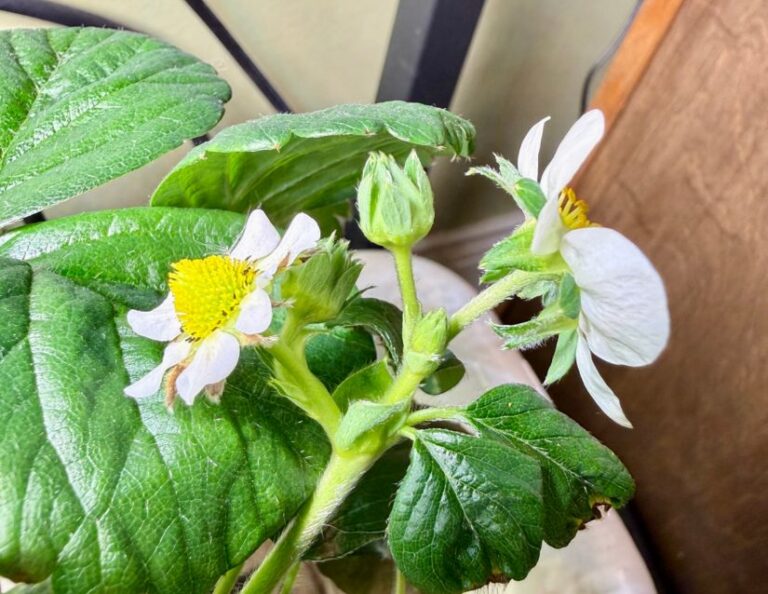
When you’re short on space but still want fresh greens, vertical hydroponic tower gardening might just be your new favorite system. Instead of spreading plants across a table or grow bed, you stack them sky-high—turning empty air space into a mini produce factory.
Going vertical not only looks cool but also lets you grow more per square foot, making it a great choice for apartment gardeners, small grow tents, or anyone who wants a bigger yield without needing a bigger footprint.
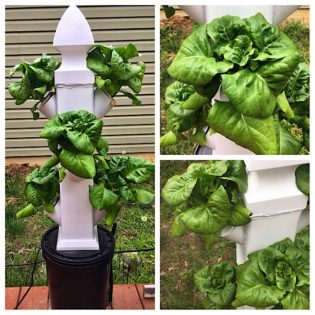
How Does a Vertical Hydroponic Tower Work?
Vertical hydroponic systems use a pump and gravity to move nutrient solution through the tower. Here’s the basic flow:
- Reservoir at the bottom: Holds the nutrient solution.
- Pump at the base: Pushes the nutrient mix to the top of the tower.
- Trickle down: The solution flows down, over and through the roots, feeding each plant on the way.
- Return flow: Excess solution drains back into the reservoir to be reused.
Common Tower Formats
Tower columns: Cylindrical units with planting pockets—great for greens and strawberries.
Stacked planters: Tiered trays or buckets that recirculate nutrients downward.
Wall gardens (vertical NFT): Channels mounted to a frame; compact and easy to service.
All three use the same idea—nutrients flow from top to bottom—but the materials and layout change based on your space and budget.
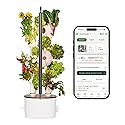 | My Top Pick | 190+ Reviews |
Best Plants for Vertical Hydroponic Towers
Most towers are designed for lightweight crops so the structure stays stable. Heavy plants higher up increase the chances of the system tipping over.
These are some of the most common plants grown in hydroponic tower gardens:
| Plant Type | Why It Works | Hydro Grow Guide |
|---|---|---|
| Lettuce | Fast growth, shallow roots, compact heads | Lettuce Grow Guide |
| Spinach & Kale | Handles tight spacing and steady flow | Spinach Grow Guide |
| Herbs (Basil, Mint, Parsley) | Low weight, steady production | Basil, Mint, Parsley Grow Guides |
| Strawberries | Trail over edges, easy picking, great yields | Strawberry Grow Guide |
🌱 Pro Tip: With sturdy designs (or reinforced lower tiers), you can trial compact peppers or determinate tomatoes near the base—just plan for added support and weight.
Best Grow Medium for Vertical Towers
Choose a lightweight, well-draining medium that won’t compact or clog channels:
- Hydroton (clay pebbles): Reusable, airy, easy to rinse.
- Perlite: Ultra-light and inexpensive; consider mesh liners.
- Rockwool cubes: Moisture-retentive; pre-soak and pH condition.
- Coco coir: Sustainable; pair with net cups or liners to prevent fines.
Related 🔗: Different Types Of Hydroponic Grow Medium
Pros & Cons of Vertical Hydroponic Gardening
👍 Pros Of Vertical Gardens
- More yield per square foot—perfect for patios, balconies, and tents.
- Water-efficient recirculation with easy nutrient control.
- Cleaner, ergonomic harvests—less bending and no soil mess.
- Scalable—start short, add height/modules later.
👎 Cons Of Vertical Gardens
- Top-heavy risk—tall units may need bracing or wall mounts.
- Plant limits—towers shine with leafy greens and herbs.
- Access—upper tiers can require a step stool for service.
Vertical Hydroponic Garden Best Practices
Flow schedule: Continuous trickle or short cycles every few minutes; keep roots moist, not submerged.
Lighting: Indoors, use even full-spectrum LED coverage across the tower height.
Filtration: Add a simple intake filter/sock to reduce debris in the pump.
Stability: Widen the base or secure the frame, especially outdoors or above 5–6 ft.
Maintenance: If using emitters, inspect weekly to prevent even watering and dead plants.
Related Guides:
FAQ: Vertical Hydroponic Tower Gardening
What’s the best vertical system for beginners?
Pre-built towers with simple pump-and-drain designs are easiest. DIY PVC or stacked planters work great once you understand nutrient circulation.
Can I grow tomatoes or peppers in a tower?
Yes—place compact varieties near the base or reinforce those tiers. Provide support to manage fruit weight.
How often should the pump run?
Many towers run a continuous trickle or short intervals every few minutes. The goal is moist roots without waterlogging.
Do I need grow lights indoors?
Yes, unless you’re getting strong natural light. Use full-spectrum LEDs and make sure light coverage reaches all levels.
What pH should I target?
Most plants need to be in a pH range between 5.5-6.5.