


Most people picture hobby hydroponics happening indoors under grow lights. But outdoor hydroponic gardening can be just as productive — and sometimes even more rewarding. Like anything, it comes with trade-offs. Let’s break down the advantages and disadvantages of growing hydroponically outdoors so you can decide if it’s right for you.
The Pros of Outdoor Hydroponic Gardening
1. More Room to Spread Out
Outdoors, space is less of a limitation. You can run larger hydroponic systems and grow plants to their full potential, often leading to a bigger harvest. You can even run multiple systems — for example, a leafy greens setup alongside a fruiting crop system — something that’s tough to do indoors.
2. The Best Light Source: The Sun
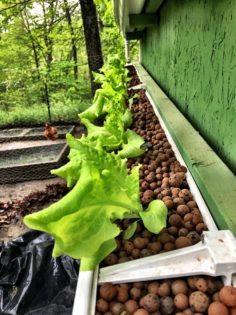
No indoor grow light beats the full‑spectrum sunlight plants get outside. It’s free, reliable (most of the time), and perfect for crops that are harder to light indoors, such as vertical towers or gutter gardens. If you need season extension, try outdoor hydroponics in a greenhouse to capture sunlight while buffering wind and rain.
3. Easier Pollination
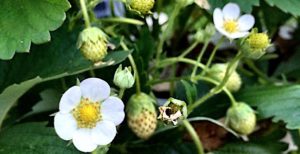
Indoors, you may spend time hand‑pollinating plants. Outdoors, pollinators like bees, butterflies, and even the wind will handle the work for you. This is especially helpful for fruiting plants like tomatoes, peppers, and cucumbers.
4. Easier Water Changes & Reuse
If your indoor setup is far from a drain or water source, moving outdoors can simplify water changes. Used nutrient solution can be diluted and repurposed to water potted plants or soil gardens — reducing waste and giving your outdoor landscape a boost.
- Oxygen tips for healthy roots: How to Oxygenate Water for Hydroponic Plants
5. Lower Start‑Up Costs
Indoors you often need fans, ventilation, and grow lights. Outdoors, nature provides light, airflow, and pollination — making it cheaper to start and great for beginners. Start simple with totes or buckets and upgrade once you’ve dialed in placement, pests, and weather.
The Cons of Outdoor Hydroponic Gardening
1. More Pests
While pollinators are a plus, outdoor systems also face aphids, caterpillars, and even curious rabbits. Effective pest control for outdoor hydroponics starts with prevention: healthy plants, clean systems, and habitat for beneficial insects (ladybugs, lacewings, parasitic wasps).
- Identify and Rid Fungus Gnats
- How to Get Rid of Aphids
- Ridding Spider Mites
- Identify & Rid Whiteflies
- How to Get Rid of Thrips
2. Heat Challenges
Both air temperature and nutrient solution temperature can climb in hot weather. Warm solution holds less oxygen, increasing the risk of root rot. High air temps cause plants to drink more water, which may require lowering your nutrient solution’s EC to the low end to prevent stress.
How to protect outdoor hydroponics from heat: Add shade cloth during heatwaves, bury or insulate your reservoir, route feed lines in the shade, and top off with cooler water. After hot days, check EC and pH.
- Keep solution cool: 6 Ways to Keep Your Nutrient Solution Cool
- Target temps: Best Temperature for Hydroponics

3. More Wear & Tear on Equipment
Sun, rain, and wind are tougher on system materials than indoor conditions. UV exposure can weaken plastics, and rain can dilute nutrients. Use UV‑resistant lids, weather‑safe tubing, and keep critical components covered.
4. Little Environmental Control
You can’t control temperature, humidity, or wind like you can indoors. Watch forecasts and be ready with plant supports, covers, or windbreaks before storms. A small hoop house or low tunnel can stabilize conditions without a full greenhouse.
- Common mistakes to avoid: Beginner Hydroponic Mistakes
5. Seasonal Limitations
In colder climates, outdoor hydroponics is usually a spring‑through‑fall activity unless you have a heated greenhouse. Warmer regions can still grow cool‑weather crops (lettuce, spinach) in winter. A basic tunnel or outdoor hydroponics in a greenhouse can extend your season affordably.
Final Thoughts
Both indoor and outdoor hydroponic gardening have their strengths. Outdoors, you benefit from sunlight, space, and natural pollination — but face challenges like pests and weather. If you plan ahead and adapt to seasonal changes, outdoor hydroponics can be a low‑cost, high‑yield way to grow fresh produce.


